You Won’t Believe What I Found in Salzkammergut’s Hidden Public Spaces
Nestled in the heart of Austria, Salzkammergut is more than just crystal-clear lakes and alpine charm. What truly amazed me was how public spaces here don’t just serve locals—they become part of the landscape, inviting connection and quiet wonder. From wooden benches with soul-stirring views to village squares humming with unhurried life, these places redefine what it means to belong, even as a traveler. There is a quiet intentionality in how these spaces are designed and maintained—not for spectacle, but for presence. In a world where tourism often feels rushed or performative, Salzkammergut offers something rare: public spaces that feel lived-in, cherished, and deeply human.
First Impressions: Stepping Into a Living Postcard
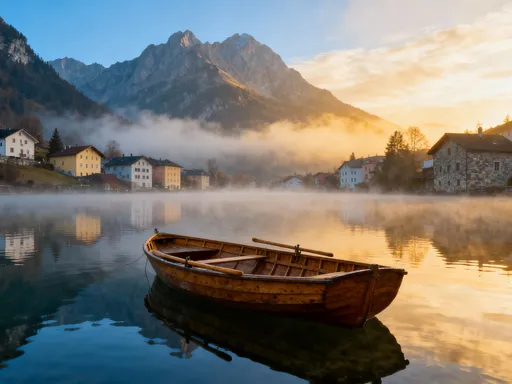
Arriving in Salzkammergut feels like stepping into a world where time has been gently slowed. The air is crisp, carrying the faint scent of pine and freshwater. Rolling hills give way to mirror-like lakes, their surfaces broken only by the occasional paddle or breeze. But beyond the postcard-perfect scenery, what stands out immediately is the absence of visual noise—no billboards, no chain stores, no overcrowded promenades. Instead, public spaces unfold naturally, as if they’ve always belonged. Walking paths wind along shorelines, connecting villages with soft curves rather than sharp edges. Lakeside piers extend modestly into the water, built from weathered wood that blends with the surroundings. These are not constructed for grandeur, but for use.
What makes the region’s public areas so remarkable is their seamless integration with nature. There is no sense of separation between the built environment and the natural one. In towns like Obertraun and Abersee, shared docks allow both residents and visitors to dip into the lake, launch small boats, or simply sit with feet dangling above the water. These spaces are unguarded, unmonitored, and open to all—reflecting a deep-rooted trust in communal responsibility. Even parking areas are discreetly tucked away, ensuring that the first thing one sees upon arrival is not a concrete lot, but a meadow, a tree-lined path, or a glimpse of blue water.
The design philosophy here favors simplicity and sustainability. Structures are modest in scale, built with local materials such as spruce, larch, and stone. Signage is minimal and tasteful, often hand-painted or carved into wood. There are no flashy attractions competing for attention. Instead, the landscape itself is the attraction, and the public spaces are designed to enhance, not interrupt, that experience. This lack of overdevelopment allows authenticity to shine through—a rare quality in an age where many destinations sacrifice character for convenience.
The Magic of Lakefront Commons: Where Nature Meets Community
Along the shores of Austria’s most iconic lakes—Traunsee, Wolfgangsee, and Hallstätter See—public spaces take on a communal rhythm that is both inviting and unpretentious. In Bad Ischl, a historic spa town known for its imperial connections, the riverbanks are lined with grassy embankments where families spread out picnic blankets, children splash in shallow waters, and couples stroll along tree-shaded paths. The town’s Kurpark, a public garden established in the 19th century, remains a centerpiece of daily life. Its fountains, flowerbeds, and open lawns are meticulously maintained, yet never feel sterile or overly formal. This is a place meant to be used, not just admired.
In St. Wolfgang, another gem along the eastern shore of Wolfgangsee, the lakefront promenade is the heart of social activity. Wooden benches face the water, positioned at intervals to offer both privacy and connection. Locals gather in the late afternoon, sipping coffee from paper cups, watching the light shift across the mountains. Swimmers enter the lake from designated public access points, where stone steps lead gently into the cool, clear water. There are no admission fees, no reserved areas, no velvet ropes—just open access for all. Even in peak season, the atmosphere remains calm, unhurried, and deeply respectful of shared space.
Design elements throughout these lakefront areas reflect a quiet attention to detail. Benches are crafted from untreated timber, allowing them to weather naturally over time. Railings are low and unobtrusive, ensuring unbroken sightlines to the water. Waste bins are discreetly placed and emptied regularly, preventing litter from accumulating. Signage promoting environmental stewardship is present but subtle—small reminders to protect the lake, written in both German and English. These touches may seem minor, but together they create an environment where care for nature and community coexist effortlessly.
Village Squares That Breathe: The Pulse of Daily Life
In Salzkammergut, village squares are not tourist stages—they are living rooms for local life. Take Hallstatt, one of the region’s most photographed towns, where the central plaza—Marktplatz—serves as a quiet hub of everyday rhythms. Early each morning, a small farmers’ market sets up beneath the shadow of the Gothic parish church. Vendors sell fresh bread, honey, wild herbs, and handmade cheeses, their stalls arranged with care but without fanfare. Locals arrive with reusable bags, exchanging greetings in soft dialects. There is no rush, no pressure to perform. The square simply breathes with the pace of the day.
Throughout the afternoon, benches around the square fill with readers, retirees, and visiting families taking a break from sightseeing. A few steps away, the public fountain continues to function not as a relic, but as a working feature—children dip their hands in the cool water, and hikers refill their bottles. The architecture surrounding the plaza—pastel-colored houses with wooden balconies and flower boxes—frames the space without overwhelming it. Buildings are preserved with care, but not frozen in time; they house real businesses, homes, and community spaces.
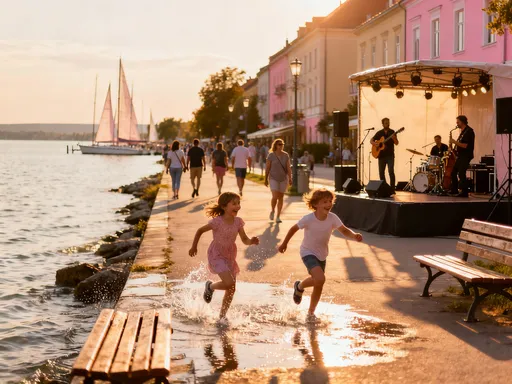
Similarly, in Gosau, a quieter village nestled between the Dachstein mountains and a serene alpine lake, the town square doubles as a gathering place for seasonal events. In summer, an open-air concert series brings residents together for evenings of folk music and shared meals. In winter, the same space hosts a modest Christmas market with locally crafted ornaments and warm drinks served from wooden huts. These events feel organic, not commercialized. They are organized by community groups, funded through small donations, and attended mostly by locals. Visitors are welcome, but not the focus—another sign of how public spaces here prioritize authenticity over spectacle.
Walking the Trails: Public Paths as Invitations to Slow Down
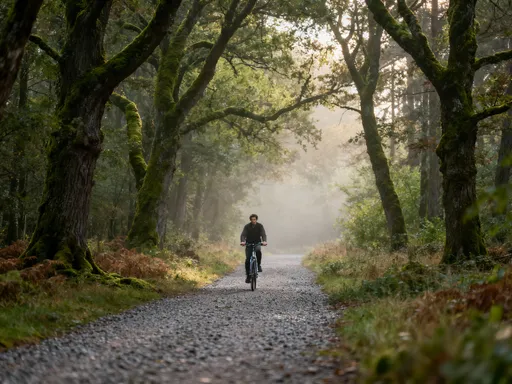
One of the most democratic aspects of Salzkammergut’s public spaces is its network of walking trails. These paths, maintained by local municipalities and regional conservation groups, are open to everyone—regardless of age, ability, or background. Marked with the iconic yellow-on-white trail signs used throughout Austria, they crisscross forests, meadows, and mountain slopes, offering access to panoramic views, hidden chapels, and quiet forest clearings. What makes these trails special is not just their beauty, but their ethos: they are designed for shared use and mutual respect.
On any given day, one might encounter a mix of hikers, families with strollers, elderly couples walking dogs, and solo travelers with backpacks. The etiquette is unspoken but universally understood: step aside to let faster hikers pass, yield to horses on narrow paths, keep noise to a minimum, and always carry out what you bring in. Signage along the trails includes not only directional markers but also gentle reminders about protecting wildlife and staying on designated routes. These messages are not scolding, but inviting—a quiet encouragement to participate in stewardship.
The trails also reflect a deep commitment to accessibility. Many routes are graded by difficulty, with clear descriptions posted at trailheads. Some, like the family-friendly path around Lake Gosau, are paved and wheelchair-accessible, ensuring that everyone can enjoy the region’s natural beauty. Others, like the ascent to the Five Fingers viewing platform on the Dachstein, include safety railings and rest areas. These thoughtful details signal that public spaces in Salzkammergut are not just for the adventurous or the young—they are for all members of the community, including those who move at a gentler pace.
Unexpected Encounters: Art and Culture in Open Spaces
While Salzkammergut is known for its natural beauty, it also embraces culture in subtle, accessible ways. Public art and seasonal installations appear throughout the region, not in galleries or ticketed exhibits, but in open-air settings where they can be discovered by chance. In Bad Ischl, the annual Kammerflimmern film festival transforms the town square into an open-air cinema during summer evenings. Residents bring blankets and chairs, children play at the edges, and films—often documentaries or Austrian classics—are projected onto a large screen set against the backdrop of historic buildings.
Seasonal flower displays add another layer of quiet artistry. In spring and summer, window boxes and public planters burst with geraniums, petunias, and alpine blooms. These are not the work of a central landscaping team alone, but a community effort—many residents take pride in decorating their homes and contributing to the town’s visual harmony. In Hallstatt, a tradition of communal gardening ensures that public green spaces remain vibrant without relying on artificial enhancements.
Occasionally, temporary art installations appear along walking paths or in village centers. These might include sculptures made from reclaimed wood, poetry posted on weatherproof boards, or sound art activated by wind or movement. Unlike commercial displays, these pieces are not sponsored or branded. They are often created by local artists or school groups, funded through small cultural grants. Their impermanence is part of their charm—they appear, are enjoyed, and then fade, leaving no trace. This approach to public culture emphasizes experience over ownership, connection over consumption.
Sustainability in Action: How Public Spaces Reflect Environmental Values
The care taken in maintaining Salzkammergut’s public spaces is a direct reflection of the region’s environmental values. Waste management is efficient and unobtrusive: recycling stations are placed at regular intervals, clearly labeled in multiple languages, and emptied daily during tourist seasons. Public restrooms, though simple, are kept exceptionally clean—a sign of both municipal pride and visitor respect. Water fountains are available in key locations, reducing the need for single-use plastic bottles.
Transportation planning further supports eco-friendly habits. Many towns, including Hallstatt and St. Gilgen, are largely pedestrianized. Cars are restricted to the outskirts, and visitors park in designated lots before continuing by foot, bike, or ferry. Bike rental stations are widely available, offering well-maintained bicycles for adults and children. On lake routes, electric-powered boats have replaced older diesel models, reducing noise and pollution. These choices are not marketed aggressively—they are simply part of how the region operates.
Perhaps most telling is the visible pride locals take in their shared spaces. It’s common to see residents picking up litter during morning walks, adjusting flower arrangements, or sweeping steps in front of public buildings. This is not enforced by rules, but driven by a collective sense of ownership. Children learn early to respect nature through school programs and family outings. The message is clear: these spaces belong to everyone, and everyone is responsible for their care. This culture of stewardship is not performative—it is lived, day after day.
Why These Spaces Matter: A Traveler’s Reflection on Belonging
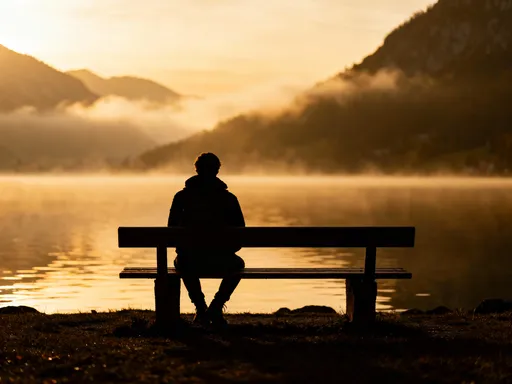
As a traveler, the most unexpected gift Salzkammergut offered was not a view, a meal, or a photograph—but a feeling of belonging. Sitting on a lakeside bench in Gosau, watching an elderly couple feed ducks, I realized I wasn’t just observing local life. I was part of it, if only for a moment. There was no barrier between visitor and resident, no sense of being watched or tolerated. The space welcomed me as it welcomed everyone—with quiet dignity and open arms.
This sense of inclusion is not accidental. It is the result of deliberate design, long-standing traditions, and a deep respect for human connection. Public spaces here are not afterthoughts or decorative add-ons. They are essential infrastructure—places where relationships form, where solitude is honored, where nature and community coexist. They invite slowness, presence, and reflection. In a world where so many destinations cater to speed and spectacle, Salzkammergut reminds us that the most meaningful experiences often come from simply being allowed to exist in a place without performance or pressure.
For families, especially women who often plan and guide travel experiences, these spaces offer something invaluable: a sense of safety, ease, and emotional resonance. There is no need to chase the next attraction or optimize every minute. Instead, there is permission to pause, to breathe, to connect—with loved ones, with nature, with oneself. This is not just tourism; it is restoration.
Conclusion
Salzkammergut’s public spaces are not just backdrops—they’re active participants in the region’s soul. They teach us that beauty isn’t only in the view, but in how people live within it. By valuing simplicity, access, and shared respect, these spaces invite us to travel slower, connect deeper, and leave lighter. Maybe the best journeys aren’t just about where we go—but how we’re allowed to be there. In a world that often feels fragmented and fast, Salzkammergut offers a quiet model of what public life can be: inclusive, sustainable, and deeply human. It is a reminder that the places we share say everything about who we are—and who we hope to become.