You Won’t Believe How Dallas Redefines American Food Culture
Dallas isn’t just big skies and cowboy boots—it’s a flavor explosion. I went in expecting barbecue and came out savoring Vietnamese-Cajun fusion, Tex-Mex reinvented, and farm-to-table brilliance. This city’s food scene is raw, diverse, and deeply personal. From food trucks with cult followings to upscale kitchens redefining Southern comfort, Dallas feeds your soul as much as your stomach. Let me take you where the locals eat—no tourist traps, just real bites with real stories.
The Soul of Dallas: Where Food Tells a Story
Dallas’ culinary identity is not born from a single tradition but woven from many. It is a city shaped by waves of migration, economic shifts, and cultural resilience—each chapter etched into the menus of its restaurants and kitchens. The soul of Dallas food lies in its storytelling: every dish carries a history, whether it’s a grandmother’s tamales passed down through generations or a chef’s reinterpretation of Southern greens with West African flair. The city’s food culture reflects its people—bold, proud, and unafraid to blend the familiar with the unexpected.
Historically, Dallas grew as a railroad and trade hub, attracting workers from across the South, Mexico, and later, Southeast Asia and West Africa. These communities brought their ingredients, techniques, and traditions, planting roots in neighborhoods like Oak Cliff, Little Mexico, and South Dallas. Over time, what began as survival cooking evolved into a vibrant tapestry of flavors. Mexican families opened taquerias that became cornerstones of their blocks. African American pitmasters perfected slow-smoked meats that defined weekend gatherings. Vietnamese refugees introduced herbs and broths that would one day inspire fusion dishes now celebrated citywide.
What makes Dallas unique is not just diversity, but integration. Unlike cities where cuisines remain siloed, Dallas encourages cross-pollination. You’ll find Korean chili paste in Tex-Mex sauces, Creole spices in barbecue rubs, and masa used in everything from tamales to gnocchi. This blending isn’t trend-chasing—it’s organic, born from proximity, shared spaces, and genuine curiosity. It’s common for a fourth-generation Texan to crave pho on Sunday mornings or for a Vietnamese-American chef to serve brisket with pickled daikon.
Food in Dallas also reflects resilience. Many of the city’s most beloved eateries began in modest circumstances—converted gas stations, strip mall units, or backyard pop-ups. These spaces were never about glamour but about necessity, community, and pride. Today, they stand as testaments to perseverance. A meal at one of these spots isn’t just nourishment; it’s a connection to the people who built Dallas, one plate at a time.
Beyond BBQ: Reimagining Texas Classics
No conversation about Dallas food starts without barbecue, but it doesn’t end there either. The city’s take on Texas classics has evolved from tradition into innovation, honoring the past while embracing new influences. While Central Texas favors simple salt-and-pepper brisket and East Texas leans into sweet, tomato-based sauces, Dallas sits at the crossroads—absorbing both styles and adding its own twist. The result is a barbecue culture that respects technique but isn’t afraid to experiment.
At legendary institutions like Pecan Lodge in Deep Ellum, you’ll find brisket smoked for 14 hours over post oak, its bark crisp and deeply seasoned, its interior marbled with rich, buttery fat. But alongside the classics, there are smoked beef ribs glazed with gochujang, sausage links infused with jalapeño and cheese, and pulled pork served with house-made kimchi. These aren’t gimmicks—they’re thoughtful fusions that reflect the city’s palate. Pitmasters here are not just craftsmen; they’re storytellers, using smoke and spice to communicate Dallas’ layered identity.
What sets Dallas apart is its willingness to elevate humble ingredients without losing their essence. A plate of ribs isn’t just meat and sauce—it’s about texture, balance, and memory. Some restaurants now serve smoked turkey with pecan-crusted cornbread stuffing, turning a holiday favorite into a year-round staple. Others pair traditional sides like pinto beans with pickled red onions or charred scallions, adding brightness and contrast.
Modern chefs are also redefining what Texas comfort food means. At places like HG Supply Co. in the Cedars, you’ll find fried chicken sandwiches stacked with collard greens and pepper jelly, or catfish tacos with creole remoulade. These dishes nod to Southern roots while incorporating flavors from Mexico, the Caribbean, and beyond. It’s not about replacing tradition but expanding it—inviting new voices to the table while keeping the spirit intact.
Hidden Gems in Plain Sight: The Rise of Neighborhood Eateries
Some of Dallas’ most memorable meals happen in places you might drive past without noticing. Tucked into residential corners, strip malls, and aging shopping centers are family-run kitchens where recipes are guarded like heirlooms and service feels like hospitality. These neighborhood eateries aren’t chasing Michelin stars—they’re feeding communities, preserving culture, and offering authenticity that no trend-driven restaurant can replicate.
In Oak Cliff, a neighborhood with deep Mexican and African American roots, you’ll find spots like El Come Tacos, where handmade blue-corn tortillas cradle tender barbacoa slow-cooked overnight. The salsa is ground fresh each morning, and the agua frescas—hibiscus, cucumber-lime, tamarind—are made from family recipes brought from Jalisco. There’s no website, no online ordering, just a chalkboard menu and a line out the door by noon. This is food rooted in place, in people, in routine.
Deep Ellum, once known for jazz and dive bars, now thrives with culinary surprises. A converted laundromat houses a Jamaican patty shop where flaky, golden crusts encase spiced goat or curried chickpeas. A former auto repair shop hosts a pop-up serving Hmong-inspired dumplings with Texas-grown vegetables. These transformations speak to the neighborhood’s spirit—adaptive, creative, and deeply local.
Little Mexico, centered around Beckley Avenue, remains a cultural anchor. Here, bakeries like La Norteña turn out conchas at dawn, their sugary domes cracked in perfect spirals. Taquerias serve lengua and cabeza with handmade tortillas so fresh they steam as they’re folded. These are not ‘ethnic’ restaurants for outsiders—they are lifelines for families, places where language, laughter, and food flow together. To eat here is to be welcomed, even if you don’t speak the language.
What unites these hidden gems is their intimacy. Seating is often limited, service may be slow, and decor is functional rather than stylish. But the food is honest, the prices fair, and the welcome genuine. These spaces remind us that great dining isn’t about ambiance or accolades—it’s about connection. They are the quiet engines of Dallas’ food culture, preserving traditions while quietly shaping the future.
Street Food Revolution: From Trucks to TikTok Fame
Dallas’ food truck scene is more than a trend—it’s a movement. What began as a way for aspiring chefs to bypass high startup costs has become a launchpad for innovation, community, and digital discovery. Today, food trucks dot the city’s parks, festivals, and brewery lots, serving everything from birria tacos with consommé shots to Nigerian jollof rice with plantains. They are mobile kitchens of possibility, where creativity meets accessibility.
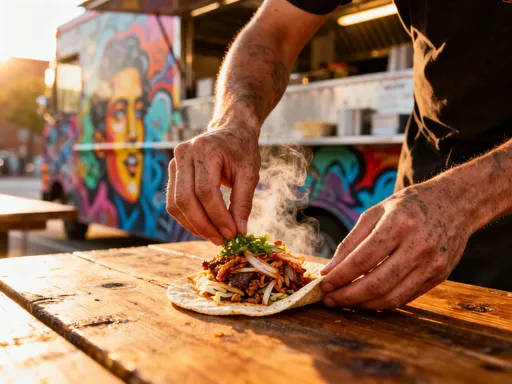
One standout is Krunchy Tacos, a brightly painted truck that started in a church parking lot and now draws lines across North Dallas. Their Korean-Mexican fusion—bulgogi beef in handmade corn tortillas, topped with kimchi and sesame aioli—earned viral fame on TikTok, but the real story is in the details. The tortillas are pressed daily, the marinade is based on a family recipe from Seoul, and the owners greet regulars by name. This is street food with soul, built on hard work and community trust.
Another success story is Suya Spot, a Nigerian-inspired truck serving grilled skewers marinated in yaji spice, served with jollof rice and fried plantains. At Dallas’ food truck rallies, it’s common to see families from different backgrounds sharing tables, passing around plates, asking what something is called, how it’s made. These interactions—simple, joyful, unscripted—are the heart of the movement.
Social media has amplified these voices, allowing small vendors to build loyal followings without traditional marketing. A single Instagram post of golden, cheese-dripping birria tacos can draw hundreds. But beyond the virality, what matters is sustainability. Many truck owners now open brick-and-mortar locations, hire local staff, and source ingredients from regional farms. They are proving that street food can be both delicious and dignified.
The accessibility of food trucks also democratizes dining. A working mother can grab a nourishing meal for under $10. A college student can try Ethiopian-spiced meatballs without committing to a full restaurant experience. This low barrier to entry fosters culinary exploration, encouraging Dallans to step outside their comfort zones—one taco at a time.
Fine Dining with Heart: Upscale Meets Authenticity
Dallas’ fine dining scene has matured, moving beyond opulence toward meaning. Today’s acclaimed restaurants don’t just impress with presentation—they move diners with story, seasonality, and sincerity. Chefs are no longer hiding heritage behind French techniques; they’re celebrating it, placing Texas ingredients and cultural roots at the center of the plate.
At places like Jose in the Joule Hotel, you’ll find Tex-Mex elevated without losing its soul. Blue corn masa is transformed into delicate gnocchi, served with roasted poblano sauce and queso fresco. The dish is refined, yes, but it tastes like home—like the masa your abuela used for tamales, reimagined with precision and care. The dining room is elegant, but the welcome is warm, the service unhurried, the wine list thoughtful but not intimidating.
Other restaurants, like Meridian in East Dallas, focus on Gulf Coast influences with Mediterranean flair. A seared redfish might come with Carolina gold rice, pickled fennel, and a saffron broth that evokes both Creole and Spanish traditions. The chef, born in Louisiana to Lebanese parents, draws from both lineages, creating food that feels personal and universal at once.
What defines this new wave of fine dining is emotional resonance. It’s not about luxury for luxury’s sake, but about honoring place and people. Menus change with the seasons, highlighting local farms and ranches. A spring tasting menu might feature asparagus from Kaufman County, goat cheese from a woman-owned creamery, and wild Texas honey. These ingredients aren’t just listed—they’re named, credited, celebrated.
Dallas’ upscale kitchens also support social missions. Some donate a portion of proceeds to food insecurity programs. Others train formerly incarcerated individuals in culinary arts. The message is clear: fine dining can be both exquisite and ethical. It’s not just for special occasions—it’s part of the city’s moral fabric.
Markets & Food Halls: Where the City Eats Together
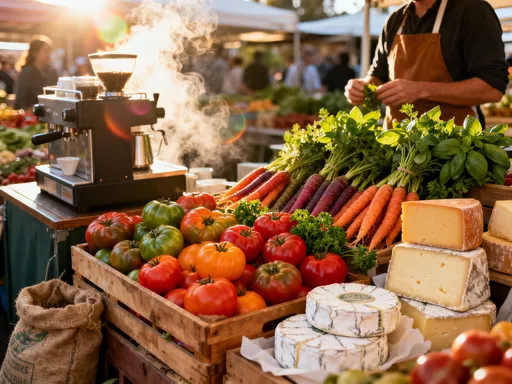
If restaurants are the heart of Dallas’ food culture, markets and food halls are its gathering places. These are not just places to eat—they are destinations for connection, discovery, and celebration. The Dallas Farmers Market, stretching along Record Street, is a sensory feast: crates of peaches from Mesquite, jars of raw honey, bouquets of sunflowers, and the sizzle of breakfast tacos on outdoor griddles. Farmers greet regulars by name, kids sample fresh strawberries, and chefs scout for the day’s best ingredients.
Trinity Groves, once an industrial corridor, now thrives as a culinary campus. Inside its converted warehouses, you’ll find everything from artisanal coffee roasters to vegan donut shops. A communal courtyard buzzes with live music on weekends, families sharing picnic tables, and dogs underfoot. The layout encourages exploration—no single restaurant dominates, but each contributes to the whole.
What makes these spaces vital is their role in supporting local economies. Vendors are often small-scale producers—beekeepers, bakers, herbalists—who might not afford a standalone storefront. The markets give them visibility, community, and stability. A goat farmer from nearby Ennis can sell directly to consumers, cutting out middlemen and building loyalty.
Food halls also foster cross-cultural exchange. At the Belmont food hall in East Dallas, you might see a Korean woman ordering a smoked brisket sandwich, a Latino family sharing bao buns, and a group of friends splitting a Middle Eastern mezze platter. These spaces normalize diversity, making it feel natural, delicious, and everyday. They are microcosms of the city itself—busy, blended, and alive.
Seasonal events amplify this spirit. Fall brings pumpkin festivals with hayrides and cider tastings. Spring hosts farm-to-table dinners under string lights, where chefs collaborate on multi-course meals using only local ingredients. These moments remind Dallans that food is not just fuel—it’s ritual, relationship, and joy.
How to Eat Like a True Dallas Local
To eat like a Dallas local is to embrace rhythm, patience, and openness. It means skipping the downtown tourist spots and heading to the neighborhoods where families gather on Sundays. It means arriving early for barbecue—by 11 a.m. at the latest—or accepting that you might wait an hour for a table at that unmarked taqueria everyone loves. Locals know that the best meals come with timing and respect.
Start with breakfast. Skip the chain cafes and head to a neighborhood diner like Majestic Cafe in Oak Cliff, where eggs are scrambled with smoked brisket and jalapeños, and toast is thick-cut sourdough from a local bakery. Pair it with sweet tea or a cold-pressed juice from a nearby stand. This is fuel for a day of exploring markets or strolling through Klyde Warren Park.
For lunch, follow the food trucks. Check social media the night before—many post their locations daily. A birria taco truck near a brewery might only be open until 2 p.m. Or visit a hidden gem like Tacos y Mariscos El Pescador, where seafood tostadas are piled high with shrimp, octopus, and avocado. Bring cash—many places don’t accept cards.
Dinner is where Dallas shines. Make reservations at a rising-star restaurant like Chino Chinatown, where Szechuan meets Texas heat, or opt for a family-run spot like Mestizo in Bishop Arts, known for its heirloom corn dishes. Ask servers what’s new, what’s seasonal, what the chef loves right now. Locals appreciate curiosity and humility at the table.
And don’t forget to pair your meal with culture. Many restaurants host live music on weekends—blues in Deep Ellum, Tejano in Little Mexico. Others partner with local breweries for beer-pairing dinners. These experiences deepen the meal, turning dinner into memory.
The golden rule? Be respectful. Tip generously. Say thank you. Ask questions without judgment. Dallas rewards those who come with an open mind and an empty stomach.
Dallas doesn’t serve food—it shares a legacy. Every bite carries layers of history, struggle, and celebration. This city proves that true culinary greatness isn’t about trends, but about heart, diversity, and the courage to reinvent. To taste Dallas is to understand America a little better—one plate at a time.