Lost in the Sands, Found in the Sky: Cairo’s Hidden Natural Wonders
Have you ever wandered somewhere that quietly reshaped your soul? Cairo isn’t just pyramids and chaos—it’s a gateway to surreal natural beauty most travelers miss. I roamed beyond the maps, chasing silence in the desert, colors at dawn, and landscapes that feel ancient and alive. From golden dunes to hidden oases, Cairo’s true magic lies in its untouched wilderness. Let me take you where the sand whispers and the sky never ends.
Beyond the Pyramids: Rediscovering Cairo’s Natural Soul
Cairo is often celebrated for its monumental past—towering pyramids, vast temples, and millennia of human history etched into stone. Yet, beyond the postcard sights lies a quieter, equally powerful truth: the city is cradled by some of the most striking natural landscapes in North Africa. While millions arrive each year to witness the grandeur of Giza, relatively few venture into the surrounding wilderness where the desert breathes, the Nile flows with quiet persistence, and the sky stretches uninterrupted to the horizon. These are not mere backdrops; they are living, breathing parts of Egypt’s soul.
The contrast between urban Cairo and its natural surroundings could not be more profound. The city pulses with energy—honking cars, bustling markets, and the constant rhythm of millions going about their lives. But within an hour’s drive, that noise fades into stillness. The eastern desert begins just beyond the city limits, a vast expanse of ochre sands, rocky plateaus, and ancient wadis carved by time and rare rains. To the west, the Nile Valley unfolds in ribbons of green, a lifeline cutting through arid lands. These landscapes are not just scenic diversions—they are essential to understanding Egypt’s geography, climate, and the resilience of life in harsh environments.
What makes Cairo unique among global capitals is its proximity to such raw, unfiltered nature. Few megacities offer immediate access to desert solitude, star-filled skies, and riverine oases. For the mindful traveler, these natural spaces provide balance—a chance to step away from crowds and connect with something deeper. Exploring them is not about ticking off destinations; it is about slowing down, listening, and allowing the land to speak. In doing so, one begins to see Cairo not just as a historical hub, but as a threshold between civilization and wilderness, between the known and the quietly mysterious.
The Magic of the Eastern Desert: Dunes, Valleys, and Solitude
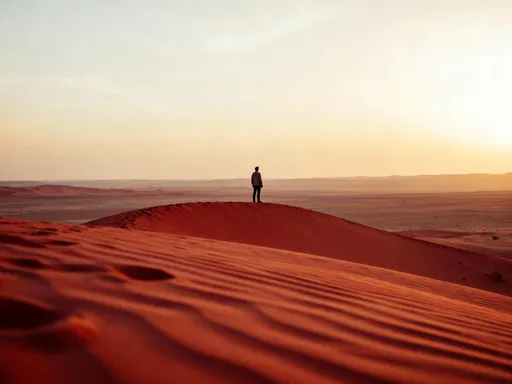
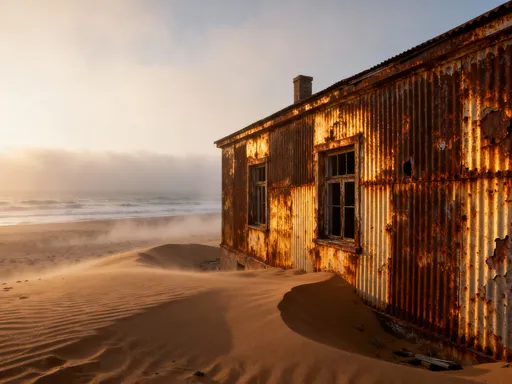
Just east of Cairo’s sprawling suburbs, the desert begins—not with a dramatic cliff or warning sign, but with a gradual fading of green, a shift in light, and the soft rise of red-tinted dunes. This is the Eastern Desert, a region of subtle beauty and profound silence. Unlike the Sahara’s more famous dunes, these landscapes are closer, more accessible, yet remarkably untouched. Here, nature unfolds in slow motion: wind shapes sand into delicate ripples, rare desert plants cling to life in rocky crevices, and the only footprints may be those of a passing fox or bird.
One of the most accessible gateways to this world is Wadi Degla, a protected nature reserve on the southeastern edge of the city. Often overlooked by tourists, it offers a rare urban-wilderness overlap where Cairenes come to hike, picnic, and escape the city’s heat. At sunrise, the valley is transformed—long shadows stretch across the rock, the air is cool and still, and the silence is almost sacred. A short trek through the wadi reveals layers of geological history: folded sandstone, volcanic remnants, and fossilized seashells embedded in stone, reminders that this desert was once underwater.
For those seeking deeper solitude, guided eco-tours venture further into the Eastern Desert, where vast dune fields and hidden valleys await. These trips are designed to minimize impact—small groups, low-emission vehicles, and strict adherence to marked paths. Visitors might spend a few hours walking through a dry riverbed, learning to identify desert-adapted plants like the acacia tortilis or the resilient doum palm. Others may climb a low ridge for panoramic views of endless terrain, where the horizon blurs between earth and sky.
The Eastern Desert is not a place of loud spectacle. Its power lies in stillness, in the way it strips away distractions and invites introspection. There are no souvenir stalls, no loudspeakers, no crowds. Instead, there is wind, light, and the slow passage of time. For travelers accustomed to curated experiences, this raw simplicity can be both disorienting and deeply healing. It is a reminder that wonder does not always require fanfare—sometimes, it is found in the quiet acceptance of being small in a vast world.
The Nile’s Living Pulse: Nature Along the Riverbanks
While the pyramids stand as symbols of eternity, the Nile remains the true heartbeat of Egypt. It is not merely a historic icon or a tourist backdrop; it is a living, flowing ecosystem that sustains life in one of the world’s most arid regions. South of central Cairo, especially in areas like Maadi, Rod El Farag, and beyond, the riverbanks offer unexpected oases of green. Here, acacia and sycamore trees line the water’s edge, their branches sheltering birds, insects, and quiet moments of contemplation.
Walking along these quieter stretches of the Nile is an act of reconnection. The air is cooler, scented with damp earth and blooming jasmine. Fishermen cast their nets from wooden boats just as their ancestors did centuries ago, their movements rhythmic and unhurried. Herons stand motionless in shallow waters, waiting for a meal, while kingfishers dart between reeds. This is not a performance for tourists—it is daily life, sustained by the river’s steady flow.
The Nile’s ecological importance cannot be overstated. Despite the pressures of urbanization and agriculture, patches of natural habitat persist along its banks. These areas serve as corridors for migratory birds, breeding grounds for fish, and refuges for native plants. In some sections, community-led conservation efforts have restored native vegetation and limited construction, ensuring that the river’s natural rhythm is not entirely lost to development.
For visitors, a simple riverside walk can become a meditative experience. There are no grand attractions—just the sound of water, the rustle of leaves, and the occasional call of a distant muezzin. It is in these moments that one begins to understand the Nile not as a postcard image, but as a source of life, continuity, and peace. In a world that often feels rushed and fragmented, the river offers a quiet lesson in endurance and grace.
The Oasis Escape: A Day Trip to Wadi El Natrun
About two hours northwest of Cairo, nestled in the middle of the Western Desert, lies Wadi El Natrun—a place of stillness, salt, and ancient spirituality. Unlike the more famous Siwa Oasis, Wadi El Natrun remains relatively unknown to international tourists, preserving a sense of authenticity and quiet wonder. The name means “Valley of Natron,” referring to the natural salt deposits that once made this region a center for mummification in ancient Egypt. Today, it is a landscape of surreal beauty: shimmering salt flats, alkaline lakes, and scattered monasteries that have stood for over a thousand years.
The first impression of Wadi El Natrun is one of contrast. The desert is harsh and dry, yet life persists in surprising ways. In winter months, migratory birds—flamingos, pelicans, and various waterfowl—descend on the seasonal lakes, drawn by the rare availability of water. The sight of pink flamingos against a backdrop of white salt crust is unforgettable, a fleeting moment of color in an otherwise monochrome world. Even in summer, when the lakes shrink and the heat intensifies, the valley holds a stark, sculptural beauty.
What makes Wadi El Natrun truly special is its spiritual legacy. Since the 4th century, Christian monks have sought solitude here, building monasteries into the desert hills. Some of these, like the Monastery of Saint Macarius and the Monastery of Saint Pishoy, remain active today, offering visitors a glimpse into a life of prayer, simplicity, and resilience. Visitors are welcome to tour certain areas, often accompanied by a monk who shares stories of faith, survival, and the desert’s quiet teachings.
A day trip to Wadi El Natrun requires planning but rewards deeply. The journey begins early to avoid midday heat, typically by private car or organized tour. Along the way, the landscape shifts from cultivated fields to open desert, with only occasional signs of life—a camel caravan, a Bedouin shepherd, a lone acacia tree. Upon arrival, visitors are advised to bring water, wear sun protection, and respect the protected status of the area. Drone use is restricted, and off-road driving is prohibited to preserve fragile soil and wildlife habitats. Yet within these guidelines, there is ample space to wander, reflect, and witness a side of Egypt that few ever see.
Desert Nights Under a Million Stars
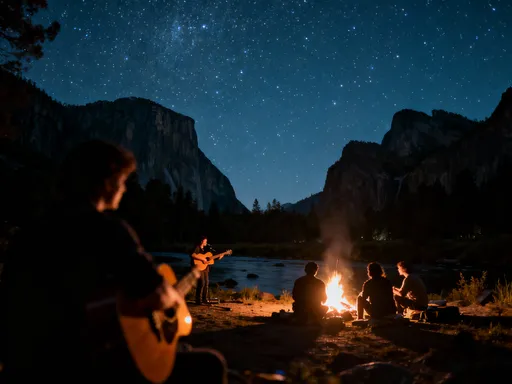
One of the most profound natural experiences near Cairo is spending a night in the desert under a sky unobscured by city lights. Far from the glow of urban development, the darkness is complete, and the stars emerge with startling clarity. The Milky Way arcs overhead like a river of light, constellations shine with ancient brilliance, and meteors streak across the heavens without warning. For those who have only seen stars from light-polluted cities, this is a revelation—a reminder of how vast and mysterious the universe truly is.
Desert stargazing is not just a visual experience; it is an emotional one. Lying on a woven mat in the sand, wrapped in a blanket, the mind slows. The silence is absolute. There is no hum of traffic, no distant music, no artificial noise—only the occasional whisper of wind. In this stillness, thoughts settle. Worries that once felt overwhelming begin to shrink in the face of cosmic scale. Many visitors describe a sense of humility, even peace, as they gaze upward and realize how small they are in the grand design.
Several eco-camps in the Eastern Desert offer responsible, low-impact overnight stays. These are not luxury resorts but simple, respectful accommodations designed to blend into the landscape. Tents are made of natural materials, lighting is minimal (often just lanterns), and meals are prepared over open fires using local ingredients. The guides are often from nearby Bedouin communities, sharing traditional knowledge about desert survival, navigation by stars, and the stories behind constellations as seen through Arab astronomical traditions.
These stargazing trips emphasize sustainability. Campfires are kept small and contained, waste is carried out, and no permanent structures are built. The goal is not to conquer the desert, but to coexist with it, even briefly. For travelers, the experience often becomes a highlight of their journey—a night they remember long after they return home. It is not just about seeing stars; it is about remembering what it feels like to be truly present, to be part of something much larger than oneself.
How to Wander Wisely: Staying Safe and Sustainable
Exploring Cairo’s natural wonders is a privilege, but it comes with responsibility. These landscapes, though they may appear barren, are ecologically fragile. The desert recovers slowly from damage, and even a single off-road tire track can last for decades. Therefore, visiting these areas requires mindfulness, preparation, and respect. The goal should never be to conquer nature, but to move through it with care, leaving no trace of one’s passage.
Safety is equally important. The desert environment can be unforgiving—temperatures swing dramatically between day and night, water is scarce, and navigation can be challenging without experience. Travelers should always carry more water than they think they’ll need—at least four liters per person per day. Sun protection is essential: wide-brimmed hats, long-sleeved clothing, and high-SPF sunscreen can prevent heatstroke and sunburn. It is also wise to avoid hiking during the hottest part of the day, typically between 11 a.m. and 3 p.m.
Hiring a local guide is one of the best ways to ensure both safety and sustainability. Guides from nearby communities possess invaluable knowledge of terrain, weather patterns, and safe routes. They also benefit economically from responsible tourism, creating an incentive to protect the land they call home. Additionally, guided tours are more likely to follow environmental regulations, such as staying on designated paths and avoiding sensitive habitats.
Respecting protected areas is non-negotiable. Wadi Degla, Wadi El Natrun, and other natural sites have rules in place for a reason—to preserve biodiversity, protect archaeological remains, and maintain ecological balance. Visitors should never remove rocks, plants, or artifacts, no matter how small. Drones should only be used with permission, and campfires must be fully extinguished. Above all, noise should be kept to a minimum, allowing others to experience the desert’s silence.
By following these principles, travelers contribute to the long-term preservation of Egypt’s natural heritage. They also enhance their own experience—knowing that their journey has not come at the expense of the land deepens the sense of connection and gratitude.
Why These Journeys Matter: Nature as a Mirror
In the end, the natural wonders around Cairo offer more than scenic beauty or adventure. They provide something increasingly rare in modern life: space for reflection, clarity, and emotional renewal. In a world dominated by screens, schedules, and constant stimulation, the desert and the river offer silence. They do not demand attention; they invite presence. And in that stillness, many travelers discover a deeper version of themselves.
Nature has always served as a mirror. The vastness of the dunes reflects our own smallness, not as a source of despair, but as a relief. The steady flow of the Nile reminds us that some things endure, even when everything else changes. The clarity of a desert night sky reconnects us to wonder, to curiosity, to the simple joy of looking up and feeling awe.
These experiences do not erase life’s challenges, but they reframe them. A problem that felt overwhelming in the city may seem smaller under an endless sky. A moment of grief may find comfort in the timeless rhythm of the land. A sense of disconnection may dissolve in the shared silence of a stargazing camp. The transformation is subtle, but real.
Cairo’s natural wonders are not hidden because they are inaccessible, but because they are overlooked. They exist just beyond the noise, waiting for those willing to look past the pyramids and listen to what the land has to say. They remind us that beauty does not always announce itself with fanfare—sometimes, it waits in silence, in sand, in stars, in the quiet flow of a river that has seen civilizations rise and fall.
To wander here is not to escape the world, but to return to it—with clearer eyes, a calmer mind, and a fuller heart. The journey is not about distance, but depth. And for those who take it, the reward is not just a memory, but a shift in perspective that lasts long after the sand has been brushed from their shoes.