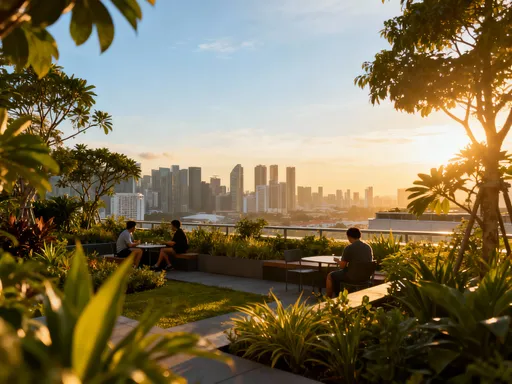
You Won’t Believe How Green Singapore Really Is
When you think of Singapore, skyscrapers and shopping malls probably come to mind. But trust me, the city’s hidden soul lies in its lush greenery. I spent a week exploring its natural side at a slow pace—wandering through forests, breathing in the humidity, and discovering parks that feel worlds away from urban life. What I found was mind-blowing: a meticulously preserved balance between nature and progress. This isn’t just a garden city—it’s a living, breathing sanctuary. From treetop canopies to coastal wetlands, Singapore’s green spaces aren’t afterthoughts; they are central to its identity, carefully woven into the urban fabric. This is a city where nature doesn’t survive in spite of development—it thrives because of it.
Reimagining Singapore: Beyond the Cityscape
Singapore is often celebrated for its modern skyline, cutting-edge infrastructure, and cosmopolitan lifestyle. Yet beneath the polished surface lies a deep-rooted commitment to environmental harmony. The city-state has long embraced the vision of becoming a 'City in a Garden,' a philosophy that goes far beyond cosmetic landscaping. It is a national strategy integrating green spaces into every level of urban planning—from rooftop gardens on public housing blocks to forest corridors connecting nature reserves. This intentional fusion of nature and city life transforms Singapore into a model of sustainable urban living, where residents and visitors alike can access tranquility without leaving the metropolis.
For travelers accustomed to ticking off landmarks at breakneck speed, Singapore offers a compelling alternative: slow travel through its green heart. Moving at a deliberate pace allows deeper immersion in the environment, revealing textures, sounds, and rhythms often missed in a hurried tour. Whether it’s pausing to watch a monitor lizard glide into a reservoir or noticing the way sunlight filters through a canopy of rainforest trees, these quiet moments foster a sense of presence and connection. Slow travel here isn’t just a method—it’s an invitation to recalibrate, to shift focus from consumption to contemplation.
The integration of nature into national identity is evident in policy and practice. Over 50% of Singapore’s land area is covered by greenery, despite its high population density. The government’s long-term commitment includes initiatives like the Park Connector Network, which links over 300 parks and nature areas with more than 300 kilometers of pedestrian and cycling paths. This interconnected system ensures that no resident lives more than a 10-minute walk from a green space. Such accessibility reinforces the idea that nature is not a luxury but a necessity, essential for physical health, mental well-being, and social cohesion.
The Magic of Bukit Timah Nature Reserve
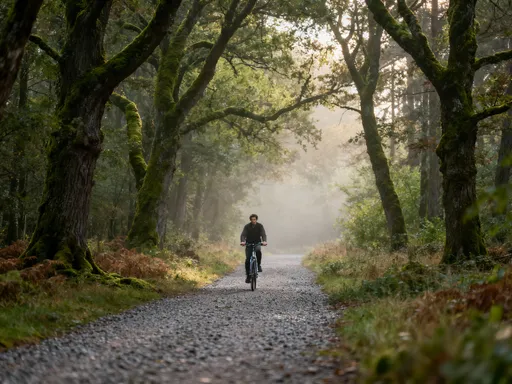
At the heart of Singapore’s ecological heritage lies Bukit Timah Nature Reserve, one of the last remaining patches of primary rainforest in the country. Towering dipterocarp trees, some over 200 years old, form a dense canopy that shelters a rich web of life. Home to more than 840 species of flowering plants and over 500 species of fauna, including the rare Raffles’ banded langur, this 163-hectare reserve is a biodiversity hotspot within an urban setting. Walking through its shaded trails feels like stepping into another era, where the pulse of the city fades and the rhythm of nature takes over.
The main trail to the summit of Bukit Timah Hill—Singapore’s highest natural point at 163.63 meters—winds through layers of tropical forest. Each step reveals new sensory details: the rhythmic chirping of cicadas, the earthy scent of decomposing leaves, the sudden rustle of movement as a long-tailed macaque darts across the path. These encounters, though common, never lose their wonder. Observing wildlife in their natural habitat fosters a quiet respect for the delicate balance that sustains them. The reserve’s boardwalks and signage provide educational insights without disrupting the environment, allowing visitors to learn while treading lightly.
Walking slowly through Bukit Timah unveils more than just flora and fauna—it reveals the ecological history of the region. The forest floor, rich with organic matter, supports intricate relationships between fungi, insects, and plants. Epiphytes cling to tree trunks, drawing moisture from the air, while pitcher plants trap insects in silent, evolutionary precision. These details, easily overlooked when rushing, become profound when given attention. Conservation efforts here are ongoing, with reforestation projects and strict visitor guidelines helping to protect the fragile ecosystem. The experience is a powerful reminder that even in a highly developed nation, ancient forests can endure when given space and care.
Finding Peace at MacRitchie Reservoir
Just a short distance from the city center, MacRitchie Reservoir offers a serene escape into one of Singapore’s oldest water catchments. Established in 1868, it was the first reservoir built to meet the growing water needs of the island. Today, it serves not only as a vital water source but also as a beloved recreational and ecological haven. The surrounding forest, part of the Central Catchment Nature Reserve, forms a green lung that supports both wildlife and human well-being. Trails meander around the reservoir, offering views of still water reflecting the sky, broken only by the occasional splash of a fish or the glide of a water monitor.
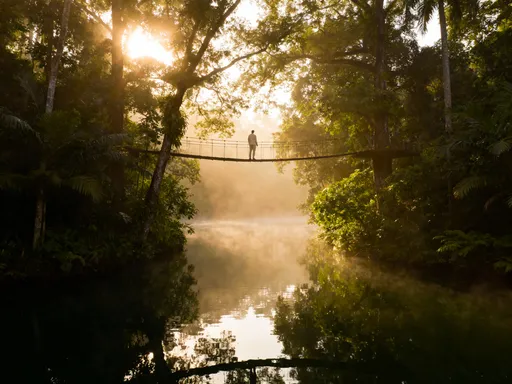
The MacRitchie TreeTop Walk is a highlight for many visitors—a 250-meter suspension bridge that rises 25 meters above the forest floor. Suspended among the canopy, walkers gain a rare perspective on the rainforest’s upper layers. From this vantage point, the interwoven branches and leaves create a living mosaic, filtering sunlight into dappled patterns below. Birdwatchers may spot the vibrant blue of a kingfisher or hear the call of the black magpie. The walk encourages stillness and observation, inviting visitors to slow down and absorb the quiet majesty of the forest.
Yet the true magic of MacRitchie lies in its quieter corners—paths less traveled, benches tucked beneath ancient trees, and hidden inlets where the water remains undisturbed. These spaces offer moments of solitude, rare in a bustling city. Sitting quietly by the reservoir, one might notice the delicate wings of a dragonfly, the ripple of a turtle surfacing, or the distant call of a hornbill. Such experiences foster mindfulness, grounding the observer in the present moment. The practice of slow walking, pausing frequently, and listening deeply enhances this connection, turning a simple stroll into a meditative journey.
MacRitchie also exemplifies Singapore’s commitment to balancing public access with environmental protection. Boardwalks prevent soil erosion, designated trails minimize human impact, and educational signage promotes responsible behavior. Volunteer groups regularly participate in clean-up efforts and biodiversity surveys, demonstrating community involvement in conservation. For visitors, the message is clear: enjoyment of nature comes with stewardship. By moving gently through the space and respecting its limits, one becomes part of its preservation.
The Coastal Charm of Sungei Buloh Wetland Reserve
Nestled in the northern reaches of Singapore, Sungei Buloh Wetland Reserve is a haven for mangroves, mudflats, and migratory birds. Designated as a ASEAN Heritage Park, it spans over 200 hectares and serves as a critical stopover for tens of thousands of birds along the East Asian-Australasian Flyway. From October to March, the reserve comes alive with sandpipers, curlews, and egrets, some having flown thousands of kilometers to rest and feed in its rich intertidal zones. For nature lovers, this seasonal influx transforms Sungei Buloh into a living theater of migration and survival.
The boardwalk system allows visitors to glide silently above the mangroves, offering unobstructed views of crabs scuttling across muddy banks, mudskippers perched on roots, and otters playing in the channels. These small dramas unfold continuously, each species playing a role in the wetland’s intricate food web. The air carries the briny scent of tidal flats, mingling with the green freshness of mangrove leaves. At low tide, the exposed mud reveals feeding birds probing for worms and crustaceans; at high tide, the water returns, bringing fish and restoring the balance. This rhythm, tied to the moon and tides, reminds us of nature’s timeless cycles.
Conservation at Sungei Buloh is both scientific and community-driven. Restoration projects have replanted native mangrove species, improving habitat quality and carbon sequestration. Researchers monitor bird populations and water quality, contributing to regional conservation strategies. Visitors are encouraged to participate through guided walks, citizen science programs, and educational exhibits. These initiatives foster a sense of ownership and responsibility, showing that environmental protection is not the task of experts alone but a shared duty. By learning about the wetland’s importance, guests are more likely to adopt sustainable behaviors beyond their visit.
For those seeking peace, Sungei Buloh offers a rare sense of spaciousness. The horizon stretches wide, the sky meets water, and the pace slows naturally. Sitting on a bench overlooking the flats, one can watch the sun dip below the mangroves, painting the sky in hues of orange and purple. In these quiet moments, the noise of daily life fades, replaced by the gentle lapping of water and the distant cry of a bird. It is a place of reflection, where the vastness of nature puts personal worries into perspective.
Botanic Gardens: More Than Just a Pretty Space
The Singapore Botanic Gardens, a UNESCO World Heritage Site since 2015, is often associated with its world-famous National Orchid Garden. While the vibrant blooms and cultivated displays are undeniably stunning, the gardens offer far more than ornamental beauty. Spanning 82 hectares, this green oasis has been a center for botanical research and public recreation since 1859. Its heritage trees, some over a century old, stand as silent witnesses to the city’s transformation, their massive trunks and sprawling canopies offering shade and continuity in a rapidly changing landscape.
Beyond the main pathways and tourist hubs lies the Rainforest Trail, a 700-meter loop that traverses one of the oldest patches of tropical rainforest in Singapore. Unlike planted gardens, this area is a remnant of the original forest, home to native species like the seraya and mengkulang trees. Walking this trail feels like entering a hidden world, where lianas drape from branches and ferns unfurl in the understory. The air is cooler, damper, and alive with the hum of insects. Interpretive panels explain the ecological significance of the site, emphasizing its role as a living laboratory and genetic reservoir.
The Botanic Gardens also serve as a vital space for mental and physical well-being. Locals jog along the broad paths, families picnic under shady trees, and elderly residents practice tai chi in quiet clearings. These everyday uses highlight the social function of green spaces—they are not just for tourists or scientists but for everyone. The gardens foster community, provide respite from urban stress, and support healthy lifestyles. Studies have shown that access to such environments reduces anxiety, improves mood, and enhances cognitive function, making them essential components of public health infrastructure.
Visiting the gardens with a slow, mindful approach reveals its quieter rhythms. Sitting beneath a majestic tembusu tree, one might notice the intricate pattern of its bark, the way its branches twist skyward, or the birds nesting in its crown. These details, easily missed in a hurried tour, become sources of wonder and calm. The gardens, in their quiet elegance, remind us that beauty and function can coexist—that a space can be both scientifically valuable and deeply soothing to the human spirit.
Hidden Green Pockets: Nature in Unexpected Places
While the major parks and reserves are well known, Singapore’s true green magic often lies in its lesser-visited corners. Places like Dairy Farm Nature Park, with its tranquil trails and the historic Neo Tiew Estate ruins, offer a sense of discovery. The park’s Quarry Trail, once a granite mining site, now blooms with secondary forest, where sunlight filters through young trees and butterflies flit between wildflowers. Nearby, the Southern Ridges—a 10-kilometer stretch linking Mount Faber, Telok Blangah Hill, and Kent Ridge parks—features scenic bridges like the Henderson Waves, whose undulating design mimics the natural landscape. These elevated walkways provide panoramic views of the city and sea, blending recreation with breathtaking scenery.
The Park Connector Network is another unsung hero of Singapore’s green infrastructure. These pathways link urban neighborhoods with nature areas, allowing seamless movement on foot or by bicycle. A morning jog can begin in a residential estate, continue through a forested corridor, and end at a waterfront park—all without crossing a major road. This connectivity makes green exploration accessible and convenient, encouraging daily interaction with nature. For families, these routes offer safe spaces for children to learn about plants and animals; for seniors, they provide gentle exercise in pleasant surroundings.
Timing visits to these hidden spots can enhance the experience. Early mornings bring cooler temperatures and increased wildlife activity—birds are most vocal at dawn, and otter families often emerge from waterways to forage. Weekdays tend to be quieter than weekends, allowing for more solitude. Visiting during the rainy season, though often avoided, reveals a different kind of beauty: lush, glistening foliage, the sound of rain on leaves, and the fresh scent of wet earth. These moments, though simple, are deeply restorative.
These green pockets are not accidents but the result of deliberate planning. Urban designers have worked to preserve natural features even in developed areas, incorporating streams, hills, and mature trees into housing and commercial projects. This respect for existing ecosystems ensures that nature remains visible and accessible, not buried under concrete. For residents, it means that a moment of peace is never far away; for visitors, it offers a more authentic and layered understanding of the city.
How to Travel Slowly in a Fast-Paced City
Traveling slowly in Singapore requires a shift in mindset—one that values depth over breadth, presence over productivity. The city’s efficient public transportation system makes access to green spaces easy and affordable. The MRT and bus networks reach the edges of nature reserves, allowing visitors to step from air-conditioned stations into humid forests within minutes. Packing light—water, sunscreen, a hat, and a small notebook—encourages mobility and reduces distraction. Leaving behind the urge to photograph every moment can deepen the experience, allowing space for observation and reflection.
Mindfulness practices enhance the slow travel experience. Simple techniques—focusing on the breath, listening to natural sounds, noticing the texture of tree bark—anchor the mind in the present. Journaling or sketching in nature helps process observations and emotions, creating lasting memories beyond digital photos. Some visitors practice ‘forest bathing,’ a Japanese concept of immersing oneself in the forest atmosphere to reduce stress and boost well-being. While not formally labeled in Singapore, the effect is the same: a return to calm through sensory engagement.
Planning is key, but not in the rigid sense. Instead of cramming multiple sites into a single day, choosing one or two locations allows for deeper exploration. Spending two hours at MacRitchie, for example, with time to sit, walk, and rest, is more fulfilling than rushing through three parks. Allowing for spontaneity—following a side trail, lingering at a bench, watching a bird—leads to unexpected discoveries. Children often model this instinctively, stopping to examine a snail or listen to a frog, reminding adults of the joy in small wonders.
Responsible behavior ensures that these spaces remain pristine for future visitors. Staying on marked paths prevents damage to vegetation and wildlife habitats. Avoiding loud noises respects both the environment and other visitors seeking quiet. Carrying out all trash and minimizing single-use plastics supports conservation efforts. These small acts, multiplied across thousands of visitors, have a significant impact. Traveling slowly is not just about personal enrichment—it is an act of care for the places we visit.
Conclusion
Singapore’s green spaces are more than scenic backdrops—they are living systems that sustain biodiversity, support human well-being, and embody a vision of urban harmony. Through slow travel, visitors move beyond the surface, discovering the depth and complexity of this garden city. Each trail walked, each moment of stillness, each quiet observation contributes to a deeper understanding of what it means to coexist with nature. The transformation is subtle but profound: the city is no longer seen as a concrete jungle but as a thriving, green haven where life flourishes in unexpected ways. The invitation is clear—to slow down, to linger, to feel. Because true discovery doesn’t happen in the rush, but in the pause. And in Singapore, that pause is filled with the quiet, enduring presence of nature.