Chasing Light and Celebration in Santorini’s Hidden Corners
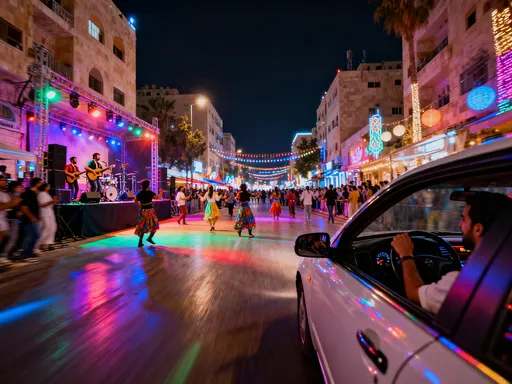
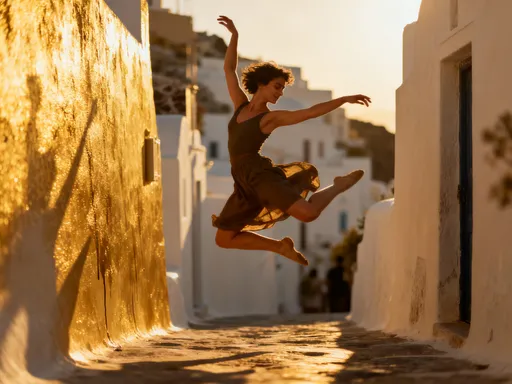
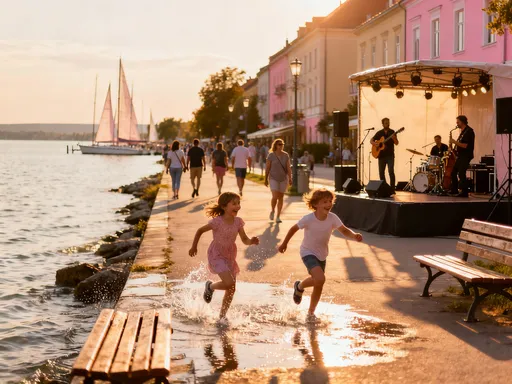
Have you ever seen a place where the sky bleeds gold at sunset, and every alley pulses with music, color, and raw human joy? I arrived in Santorini chasing postcard views, but stayed for something far more alive—the island’s vibrant festival culture. Through my lens, I discovered that the real magic isn’t just in the caldera views, but in the spontaneous dances, local rituals, and sun-drenched celebrations that transform ordinary streets into stages of emotion. This is travel photography at its most powerful—real, unfiltered, and deeply human. Santorini, often celebrated for its iconic sunsets and whitewashed buildings, reveals a deeper soul when experienced through its festivals. These moments are not staged for tourists; they are lived, breathed, and passed down through generations. To photograph them is not just to record, but to participate in a living tradition.
Why Festival Culture Elevates Travel Photography
Festival culture transforms the way we see and document travel. Unlike static landscapes or posed portraits, festivals offer a dynamic blend of movement, emotion, and cultural expression that breathes life into every frame. When a photographer captures a child laughing in a handmade costume, an elder leading a hymn under a village archway, or a line of dancers moving in rhythm with centuries-old melodies, they are not just taking pictures—they are preserving stories. These images carry weight, memory, and meaning that transcend aesthetics. They become windows into the soul of a place, revealing traditions that define community identity and continuity.
The difference between photographing landmarks and capturing living traditions lies in intention and impact. A shot of the caldera at golden hour is undeniably beautiful, but it tells a familiar story. In contrast, a candid moment during a local panigiri (village festival) speaks of resilience, joy, and belonging. The colors of embroidered garments, the glow of candlelight on weathered faces, the energy of feet pounding cobblestones in dance—these are the details that elevate travel photography from mere documentation to narrative art. Santorini’s festivals, rooted in religious observance and seasonal celebration, offer a rare authenticity that cannot be replicated in curated experiences.
What makes festival photography so compelling is its unpredictability. There are no scripts, no rehearsals for the spontaneous outbursts of song, the sudden embrace between neighbors, or the quiet moment when a grandmother wipes a tear during a procession. These fleeting instances are the heart of cultural storytelling. For photographers, this means being present, patient, and attuned to the rhythm of the event. It also requires a shift in mindset—from seeking perfection to embracing imperfection, from controlling light to working with it, from directing scenes to observing them. In Santorini, where light shifts dramatically throughout the day, this adaptability becomes essential.
Santorini Beyond the Postcard: A Photographer’s Lens
To truly see Santorini, one must look beyond the postcard-perfect vistas of Oia’s cliffside terraces. The island’s deeper beauty unfolds in the quiet preparations before a festival, in the laughter echoing through narrow alleyways, and in the hands of artisans stitching traditional garments. These are the moments that define the local experience—intimate, unguarded, and rich with cultural texture. For photographers, shifting focus from scenic panoramas to human-centered storytelling opens a new dimension of visual opportunity.
The island’s unique architecture amplifies the emotional resonance of festival scenes. Whitewashed churches with blue domes stand like sentinels in hilltop villages, their clean lines framing processions and gatherings. Sunlight bounces off lime-washed walls, creating natural reflectors that soften shadows and highlight facial expressions. In Pyrgos or Megalochori, where tourism is less intense, the atmosphere remains deeply local. Here, children run barefoot in the streets, dressed in hand-stitched outfits, while elders gather in shaded courtyards to sing hymns passed down through generations. These settings provide not only visual contrast but also narrative depth, allowing photographers to capture the interplay between past and present.
Color plays a vital role in Santorini’s festival imagery. Against the island’s monochrome backdrop of white buildings and deep blue sea, the vibrant hues of traditional costumes—crimson sashes, gold embroidery, and indigo robes—create striking visual contrasts. Banners flutter above streets during religious processions, and flower petals line pathways for Easter celebrations. The interplay of light and color during early morning or late afternoon hours enhances these elements, offering ideal conditions for capturing rich, emotive photographs. Understanding how natural light interacts with these environments allows photographers to anticipate moments rather than merely react to them.
Timing Your Visit: When Culture Comes Alive
One of the most important decisions a photographer can make is when to visit Santorini. While the island is beautiful year-round, its cultural heartbeat is strongest during specific times of the year when festivals bring communities together. Timing a trip to align with these events significantly increases the chances of capturing authentic, emotionally resonant images. Unlike peak tourist seasons, which emphasize commercial activity, festival periods reveal the island’s spiritual and social core.
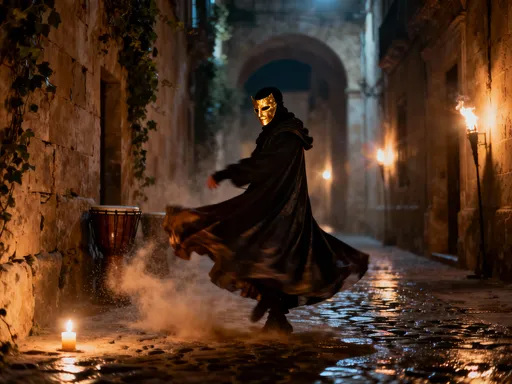
Easter, celebrated with deep reverence across Greece, is one of the most powerful times to witness Santorini’s traditions. The week leading up to Easter Sunday is marked by solemn processions, candlelit vigils, and midnight Resurrection services. In villages like Fira and Oia, the streets fill with locals dressed in formal attire, carrying candles and icons through the night. The contrast between darkness and light—both literal and symbolic—creates unforgettable photographic opportunities. The sound of church bells, the scent of incense, and the glow of hundreds of flames moving through narrow alleys form a sensory tapestry that translates powerfully through the lens.
Another significant event is the Ifestia Festival, held annually in August. This modern celebration honors the island’s volcanic origins with fireworks, music, and reenactments of ancient myths. While more tourist-facing than other festivals, Ifestia retains elements of local participation, especially in the opening parade and community dinners. The fireworks over the caldera provide dramatic lighting conditions, challenging photographers to master long exposures and night composition. Additionally, smaller village panigiria—local feast-day celebrations honoring patron saints—occur throughout the summer in places like Emporio, Akrotiri, and Vothonas. These events are often overlooked by visitors but offer some of the most genuine cultural experiences on the island.
Planning around these festivals requires research and flexibility. While exact dates vary each year based on the Orthodox calendar, travelers can consult local municipal websites or cultural centers for general timing. Arriving a few days before an event allows time to build rapport with locals, scout locations, and understand the flow of ceremonies. This preparation leads to more meaningful interactions and higher-quality images, as photographers move from being outsiders to respectful observers embedded in the moment.
Best Locations for Immersive Festival Experiences
Certain villages on Santorini offer richer, more authentic festival experiences than others. Oia and Fira, while popular with tourists, still host major religious and cultural events that draw local participation. During Easter, the streets of Oia become a corridor of light as worshippers move in procession from the central church toward the castle ruins. The steep pathways and staircases create natural vantage points for photography, allowing for layered compositions that include both participants and the dramatic caldera backdrop. Fira’s main square transforms into a gathering place for music, food, and dance during summer panigiria, offering dynamic street-level scenes.
For a more intimate experience, Pyrgos stands out as one of the island’s best-kept secrets. Perched on a hilltop, this medieval village retains much of its traditional character. Its labyrinthine streets, shaded courtyards, and central fortress provide a timeless setting for festival photography. The annual celebration of Agios Panteleimon, the village’s patron saint, includes a church service followed by a communal meal and live music in the central square. Because Pyrgos sees fewer tourists, the atmosphere remains deeply local, allowing photographers to capture genuine expressions of joy and devotion without the distraction of commercial performance.
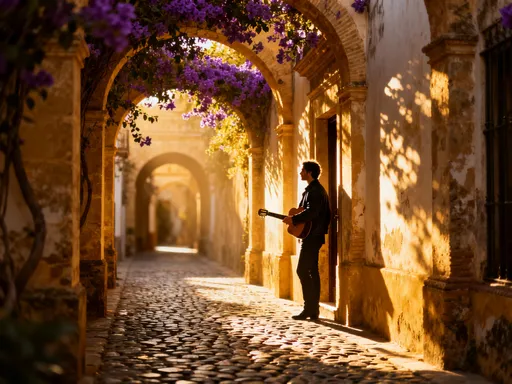
Other notable villages include Megalochori, known for its well-preserved architecture and quiet charm, and Emporio, one of Santorini’s oldest settlements, where thick stone walls and arched passageways echo with history. During festivals, these locations come alive with decorations, music, and family gatherings. The narrow alleys create natural frames for photography, while the play of light and shadow enhances mood and depth. Churches often serve as focal points, their open doors revealing candlelit interiors where worshippers kneel in prayer. These settings offer opportunities to capture both grand scenes and quiet, personal moments.
When selecting locations, photographers should consider accessibility, crowd density, and vantage points. Arriving early allows time to secure a good position without obstructing the event. It also provides a chance to speak with organizers or local residents, gaining insight into the sequence of rituals and the significance of particular moments. This knowledge helps in anticipating key scenes—such as the moment a priest emerges with the Holy Light or when dancers form a circle in the square—resulting in more intentional and impactful images.
What to Pack: Gear That Captures Emotion
Photographing festivals requires thoughtful preparation, especially in environments that are unpredictable and often crowded. The right gear enables photographers to remain mobile, responsive, and technically prepared for changing light and movement. A lightweight setup is essential, as long days of walking and standing demand comfort and ease of use. Carrying too much equipment can hinder access to tight spaces and draw unwanted attention, potentially disrupting the natural flow of events.
A camera with strong low-light performance is crucial, particularly for evening processions and candlelit ceremonies. Full-frame mirrorless or DSLR models with high ISO capabilities allow for clean images in dim conditions without excessive noise. Prime lenses, such as a 35mm or 50mm, are ideal for their wide apertures and sharpness, enabling shallow depth of field and excellent performance in low light. These lenses also encourage proximity to subjects, fostering more intimate and engaging compositions. A zoom lens, like a 24-70mm, offers versatility for capturing both wide scenes and tighter details without changing positions frequently.
Additional tools enhance both image quality and personal efficiency. A compact tripod or monopod supports long exposures during night photography, especially when capturing fireworks or processions with light trails. However, their use must be respectful—set up quickly, avoid blocking pathways, and remove them when not in use. A portable stabilizer or gimbal can be useful for video documentation, allowing smooth tracking of moving subjects. Extra batteries and memory cards are non-negotiable; festivals last for hours, and missing a key moment due to dead power or full storage is preventable with proper planning.
Equally important is what not to bring. Large camera bags, multiple lenses in hand, or intrusive lighting setups can make photographers appear more like professionals than participants. In intimate community settings, subtlety is key. Wearing neutral clothing and moving quietly through the crowd helps blend in. Using silent shutter mode, when available, minimizes disruption. The goal is to be present without dominating the space—capturing moments without becoming the center of attention.
Ethical and Respectful Festival Photography
One of the greatest responsibilities of a festival photographer is to honor the people and traditions being documented. These events are not performances for visitors; they are sacred or deeply meaningful occasions in the lives of local communities. Approaching them with respect ensures that photography becomes an act of connection rather than extraction. This begins with awareness—understanding the cultural and religious significance of rituals, recognizing personal boundaries, and knowing when to lower the camera and simply observe.
Asking permission before photographing individuals is a fundamental practice, especially in close-up or sensitive situations. A simple smile, a nod, or a quiet “Is it okay if I take a photo?” goes a long way in building trust. In many cases, locals are happy to be photographed, particularly if they feel respected and included. Some may even invite the photographer to join in, offering a deeper level of access. However, there are moments—such as private prayers, family gatherings, or solemn processions—where discretion is paramount. In these instances, wide-angle shots that capture the atmosphere without focusing on individuals may be more appropriate.
Understanding local customs prevents unintentional offense. In Greek Orthodox traditions, for example, certain parts of the church service are considered sacred and not meant for photography. Similarly, touching religious icons or stepping into restricted areas during a procession is inappropriate. Observing how locals behave—where they stand, how they dress, when they pray—provides valuable cues for respectful participation. When in doubt, it is always better to err on the side of caution and refrain from taking a photo.
Respect also extends to the way images are shared and used. Publishing photos without context can strip them of meaning and reduce cultural practices to exotic visuals. Accompanying images with accurate captions, acknowledging the names of festivals and locations, and crediting individuals when possible adds dignity to the work. Most importantly, photographers should reflect on their intent: Are they telling a story that honors the community, or are they reinforcing stereotypes? Ethical photography is not about avoiding images—it’s about creating them with integrity.
From Snapshots to Stories: Editing with Integrity
The final stage of festival photography—editing—carries its own ethical considerations. Post-processing should enhance the truth of a moment, not distort it. The goal is not to create a fantasy, but to preserve the authenticity of light, emotion, and context. Subtle adjustments in exposure, contrast, and white balance can bring out details lost in shadow or glare, especially in high-contrast festival environments. Color grading should reflect the actual hues of the scene—warm candlelight, the blue of twilight, the vibrancy of traditional fabrics—rather than imposing an artificial mood.
Cropping is a powerful tool for focus and composition. Tightening a frame can emphasize a subject’s expression or highlight a symbolic gesture, such as hands holding a candle or feet dancing in rhythm. However, over-cropping or removing key elements can misrepresent the scene. It is important to maintain spatial and cultural accuracy—ensuring that relationships between people, objects, and surroundings remain truthful. Similarly, cloning out distractions or adding elements digitally crosses the line into manipulation and undermines the credibility of the image.
Editing should also reflect the photographer’s role as a storyteller. A single image can convey joy, reverence, or community, but a series can tell a fuller narrative. Sequencing photos to show the progression of a festival—preparation, ceremony, celebration, closure—creates a visual journey that mirrors the lived experience. Captions and titles should be thoughtful, providing context without over-explaining. The best festival photographs do not need elaborate descriptions; they speak through light, gesture, and presence.
Ultimately, editing with integrity means staying faithful to the moment as it was witnessed. It means resisting the temptation to over-sharpen, over-saturate, or dramatize. It means preserving the imperfections—the blur of motion, the grain of low light, the asymmetry of real life—because these are the marks of authenticity. In an age of digital perfection, the most powerful images are often the most human.
Where Light, Culture, and Memory Meet
Photographing festival life in Santorini changes the way we understand travel. It shifts the focus from seeing to feeling, from collecting views to connecting with people. The island’s golden light is not just a backdrop; it is a living force that illuminates tradition, emotion, and community. Through the lens, we do not merely observe culture—we engage with it, honor it, and carry its memory forward. These images become more than souvenirs; they become testaments to shared humanity.
For photographers, especially those seeking meaningful experiences, Santorini’s festivals offer a rare opportunity to document joy that is unscripted, faith that is lived, and celebrations that are rooted in place and history. They remind us that the most powerful travel stories are not found in guidebooks, but in the quiet moments between rituals, in the laughter of children, in the hands of elders raised in song. To capture these moments is to participate in a deeper kind of journey—one that transcends sightseeing and becomes witnessing.
As you plan your next trip, consider going beyond the scenic overlooks. Seek out the village square on feast day, arrive early for the morning procession, sit with locals over shared food, and let your camera follow your heart. Let the light guide you, but let respect lead the way. In the end, the images you create will not only reflect the beauty of Santorini—they will reflect the best of what photography can be: a bridge between cultures, a keeper of memory, and a celebration of life lived fully, together.