You Gotta Taste This: Lahore’s Food Scene Blew My Mind
Lahore isn’t just Pakistan’s cultural heart—it’s a full-on flavor explosion. I went for the history, stayed for the food, and left with a serious case of chai and karahi cravings. From sizzling street stalls to family-run gems hidden in crowded bazaars, every bite tells a story. This is more than a meal—it’s a warm, spicy, unforgettable welcome. If your taste buds crave adventure, Lahore’s food culture is the real deal.
First Bite, Lasting Impression
The moment you step off the train or pull up to Lahore’s bustling streets, the city wraps around you with a warmth that isn’t just from the sun. It’s the heat of open flames, the smokiness of charcoal grills, and the rich perfume of simmering spices that greets travelers before any landmark does. My first real encounter with Lahore wasn’t at the Badshahi Mosque or Lahore Fort—it was at a modest breakfast stall tucked beside a rickshaw stand, where a man in a crisp white apron flipped golden parathas in a pool of bubbling desi ghee. One bite, flaky and buttery with a side of tangy pickle, and I understood: this city speaks through its food.
That morning, I sat on a low wooden stool, sipping doodh patti chai—a strong, milky tea poured dramatically from height to create a frothy top. The ritual itself felt like a welcome. Around me, families shared platters, students debated over steaming bowls of halwa puri, and shopkeepers took their first break of the day. It wasn’t just nourishment; it was community. In that moment, my travel lens shifted. I wasn’t just observing Lahore—I was being invited in, one meal at a time. Food became my guide, my translator, and eventually, my deepest connection to the city’s soul.
For many visitors, Lahore’s monuments are the highlight. But it’s the culinary rhythm—the early morning nashta (breakfast) culture, the midday lull filled with tea breaks, and the vibrant evening food rush—that truly reveals the city’s pulse. The flavors are bold, the portions generous, and the hospitality unmatched. Whether it’s a roadside vendor offering you a taste of his latest batch of samosas or an elder insisting you try his wife’s homemade lassi, the generosity is constant. This isn’t just about feeding hunger—it’s about feeding relationships.
The Soul of Lahore Lives in Its Streets
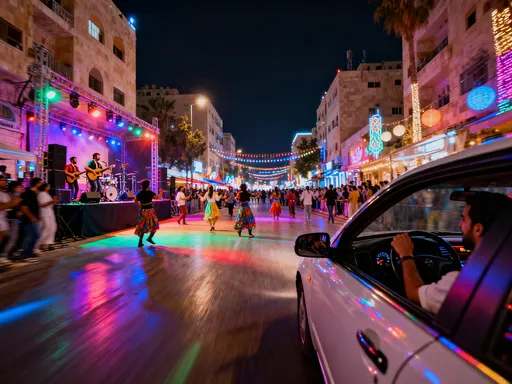
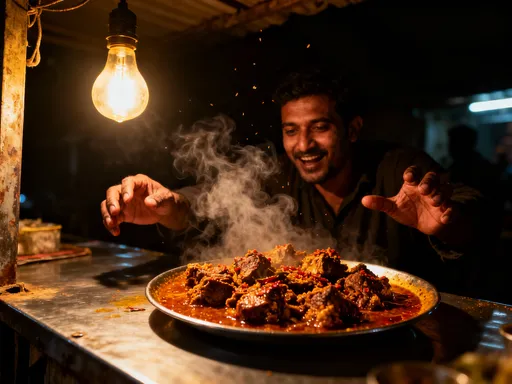
If Lahore has a heartbeat, it pulses strongest in its street food hubs. Anarkali Bazaar, one of the oldest markets in South Asia, comes alive at dusk. The narrow lanes fill with the sizzle of skewers on open flames, the clatter of steel plates, and the hum of conversation. Vendors call out their specialties—“fresh nihari!” “hot chapli kebab!”—while crowds gather around stalls lit by bare bulbs and flickering lanterns. This isn’t fast food; it’s fast-paced tradition, where generations have passed down recipes through smoke and fire.
Gawalmandi Food Street, once a quiet neighborhood for cattle herders, is now a nightly pilgrimage for locals and visitors alike. Lined with neon signs and packed with tables, it offers a concentrated dose of Lahori flavor. Here, you’ll find nihari, a slow-cooked stew of beef or mutton simmered overnight with bone marrow, cloves, and cardamom. Served with flaky sheermal bread, it’s rich, velvety, and deeply satisfying. Nearby, paye—a dish made from slow-cooked trotters—draws crowds who believe it’s the ultimate comfort food, especially on chilly winter mornings.
Then there are the chapli kebabs of Peshawari origin but perfected in Lahore’s kitchens—spiced minced meat patties topped with fresh coriander and a raw egg, grilled to perfection. Each bite delivers a burst of cumin, coriander, and green chili. And for something sweet after the heat, falooda offers relief: a chilled glass of rose syrup, vermicelli, basil seeds, and creamy milk, often topped with a scoop of ice cream. It’s dessert, drink, and refreshment in one.
What makes these street food experiences special isn’t just the taste—it’s the atmosphere. Eating here means sharing space with strangers, laughing over spilled chai, and learning which stall has the crispiest pakoras. There’s a rhythm to it: arrive around 7 PM to beat the biggest crowds, watch where locals queue (a sure sign of quality), and don’t be shy about asking for recommendations. Hygiene varies, so look for stalls with high turnover and clean utensils. Many seasoned visitors carry hand sanitizer and tissues, not out of distrust, but as a practical habit. The key is to eat mindfully, not fearfully.
From Home Kitchens to Hidden Eateries
Beyond the famous food streets lie quieter, lesser-known spots that offer an even deeper taste of Lahore. These are the dhabas—simple, no-frills eateries often run by families for decades. Tucked away in residential neighborhoods or near transport hubs, they don’t advertise, yet they’re packed every night. One such place, recommended by a local teacher, was a tiny restaurant in Mozang with cracked tiles and ceiling fans that groaned in the summer heat. The menu was handwritten on a chalkboard, but the star was clear: mutton karahi.
The dish arrived in the same wok it was cooked in, still sizzling, its surface glistening with red chili oil and fresh ginger. The meat fell off the bone, infused with tomatoes, green chilies, and a touch of coriander. It was served with thick, hand-rolled roti, baked on a clay tandoor. As we ate, the owner joined us, pouring more chai and sharing stories of how his father started the place with one stove and a dream. There was no pretense, no performance—just honest food and warmer conversation.
Another evening led me to a home-style dhaba in Ichhra, where a grandmother and her daughters prepared aloo keema—spiced minced meat with potatoes—and served it with warm parathas made fresh to order. The samosas were stuffed with lentils and herbs, fried until golden, and passed around like gifts. Customers weren’t just diners; they were regulars, greeted by name, their preferred seats already set. In these spaces, food isn’t a transaction—it’s a ritual, a continuation of family and tradition.
These hidden kitchens often don’t appear on maps or food blogs, but they’re where Lahore’s culinary soul truly lives. They offer what no five-star restaurant can: authenticity born of routine, love, and generational wisdom. For travelers willing to wander beyond the tourist trails, these meals become the most memorable—simple in presentation, profound in meaning.
Flavors That Define a City
Lahori cuisine isn’t just about what’s on the plate—it’s about how flavors are built, layer by layer, over time. At its core is the art of slow cooking. Dishes like nihari, karahi, and daal are not rushed. They simmer for hours, allowing spices to meld and meats to tenderize. This patience creates depth, a richness that store-bought pastes or quick meals can’t replicate. The foundation of many dishes is desi ghee, a clarified butter with a nutty aroma that carries flavors further than oil ever could.
Spice blends are carefully balanced. Garam masala, a warm mix of cinnamon, cloves, cardamom, and black pepper, is added at the end to lift the dish. Saunf (fennel seeds) are often chewed after meals to aid digestion and freshen breath, a practice deeply woven into daily life. Tanginess comes from amchoor (dried mango powder) or fresh lemon, cutting through the richness of gravies. Green chilies provide heat, but not for heat’s sake—they enhance, not overpower.
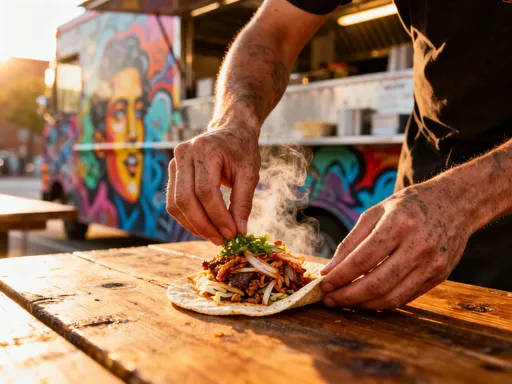
The cuisine is shaped by history and geography. As part of the Punjabi heartland, Lahore’s food is hearty, designed for farmers and laborers who needed energy. The Mughal Empire left its mark with rich, aromatic dishes like biryanis and kormas, while British colonial influence introduced tea culture and certain baking techniques. Today, modern Lahore blends tradition with innovation—food trucks offer fusion rolls, and upscale restaurants reinterpret classics with elegant plating. Yet, the essence remains: food that feeds both body and spirit.
What stands out most is how ingredients tell a story. The use of yogurt in marinades reflects the region’s dairy farming. The abundance of wheat means bread—roti, naan, paratha—is never an afterthought but a centerpiece. Even the way food is eaten—often with the right hand, feeling the warmth and texture—connects people to their meals in a tactile, intimate way. In Lahore, every flavor has roots.
Tea, Sweets, and the Art of Pausing
In Lahore, food isn’t just fuel—it’s a reason to pause, to connect, to celebrate. Nowhere is this more evident than in the city’s tea and sweet culture. Chai isn’t just a drink; it’s a ritual. At roadside dhabas, men and women gather at all hours, steaming cups in hand, talking politics, family, or nothing at all. The tea is strong, milky, and sweet, often brewed with a hint of cardamom. It’s poured from a height to mix the flavors and cool it slightly, a small performance that adds to the experience.
Sweets are woven into daily life. Jalebi, coiled like orange flowers and soaked in sugar syrup, are a morning treat, often paired with faishlama—a creamy, saffron-infused milk. Gulab jamun, soft milk-solid balls in rosewater syrup, appear at weddings, births, and religious festivals. Sohan halwa, a dense, nutty confection from Multan but beloved in Lahore, is sold in thin slices at specialty shops, its surface glittering with edible silver leaf.
These aren’t just desserts—they’re symbols of generosity. Offering sweets to guests is a sign of respect and joy. During festivals like Eid, families prepare trays of homemade treats to share with neighbors, reinforcing bonds across communities. Even on ordinary days, a box of barfi might appear at a colleague’s desk or a friend’s doorstep, unannounced but welcome.
The act of pausing for tea or sharing sweets creates space in a busy world. It’s a reminder that life isn’t just about moving forward—it’s about savoring the moment. In a city that never fully sleeps, these small rituals bring balance. They say, without words, “You belong here. Rest awhile. Eat. Talk. Be.”
Navigating the Food Scene: Practical Tips
For first-time visitors, Lahore’s food scene can feel overwhelming—but with a few smart strategies, it becomes an adventure you’ll savor. First, carry cash. Most street vendors and small eateries don’t accept cards, and ATMs aren’t always reliable in crowded markets. Small bills are best for quick transactions and tipping.
Start your tasting journey with widely loved, well-cooked dishes like karahi, nihari, or chicken tikka. These are less likely to cause digestive issues and give you a solid introduction to Lahori flavors. If you’re sensitive to spice, don’t hesitate to ask for “less hot” versions—many vendors are happy to adjust. A simple “thoda kam mirch” (a little less chili) goes a long way.
Hygiene matters, but perfection isn’t the goal—consistency is. Look for stalls with a steady stream of local customers; long lines are usually a sign of both quality and freshness. Avoid food left out in the sun or stored in uncovered containers. When in doubt, choose items that are cooked to order and served hot.
Portion sizes in Lahore are generous. Don’t try to eat everything in one sitting—pace yourself. Many visitors make the mistake of overindulging on day one and spending the next few days recovering. Instead, treat the food scene like a marathon: sample widely, take breaks, and return to favorites. Keep tissues, hand sanitizer, and a reusable water bottle handy. And most importantly, keep an open mind. Try something that looks unfamiliar. Ask the vendor what it is. Smile, point, and say “ek plate dena” (give me one plate). You might discover your new favorite dish.
Finally, go during cooler months—October to March—for the most comfortable experience. Summer heat can make street dining intense, though locals adapt with fans, shaded areas, and plenty of chilled drinks like rooh afza and lassi.
Why Food is Lahore’s True Welcome
In the end, what stays with you about Lahore isn’t just the taste of karahi or the sweetness of jalebi—it’s the feeling of being welcomed. In a world where travel can sometimes feel transactional, Lahore reminds us that food is one of the oldest forms of human connection. Sharing a meal here isn’t casual; it’s an act of trust, of inclusion. When someone offers you food in Lahore, they’re not just feeding you—they’re saying, “You are safe. You are family.”
This generosity isn’t performative. It’s woven into the culture. Whether it’s a street vendor giving you an extra roti, a shopkeeper insisting you try his homemade pakoras, or a family inviting you to join their Eid feast, the hospitality is genuine. It crosses economic lines, generations, and neighborhoods. Food becomes the bridge between strangers, a universal language that needs no translation.
For women travelers, especially those in the 30–55 age group balancing family, career, and personal curiosity, Lahore’s food culture offers something rare: a space to slow down, to be cared for, and to experience joy without pretense. It’s not about luxury or spectacle—it’s about authenticity. It’s about sitting at a plastic table under a flickering bulb, laughing with new friends, and realizing that connection is still possible, even in a fast-moving world.
Lahore’s cuisine is more than a collection of recipes—it’s a living archive of history, resilience, and love. It preserves identity in every spice blend, invites curiosity in every shared plate, and turns strangers into friends over a pot of simmering nihari. So come to Lahore for the monuments if you must, but stay for the meals. Come hungry—not just with an empty stomach, but with an open heart. Because in this city, food isn’t just served. It’s shared. And that makes all the difference.