How I Stay Ahead of Illness — Real Talk on Preventive Care
You don’t have to wait for symptoms to take your health seriously. After years of reactive doctor visits, I shifted to prevention—and it changed everything. Think blood work before fatigue, movement before pain, and choices today that protect tomorrow. Western medicine isn’t just about fixing problems; it’s about stopping them. This is how I work *with* my body, not against it—using smart, science-backed steps anyone can start. No magic, no hype—just real strategies that add up.
The Wake-Up Call: When "Fine" Wasn’t Enough
For years, I believed I was healthy because I felt fine. I didn’t experience chest pain, shortness of breath, or chronic fatigue. My energy levels were acceptable, and I managed daily responsibilities without difficulty. Like many women in their late 30s and 40s, I assumed that if nothing hurt, nothing was wrong. But that assumption nearly cost me more than I realized. It wasn’t until a routine wellness visit, prompted by a friend’s recommendation, that I began to see the limits of relying solely on how I felt. The doctor suggested a full panel of lab tests—not because I was sick, but because I had reached an age where silent risks often begin to emerge.
The results were a quiet but firm wake-up call. My cholesterol levels were creeping into the borderline-high range, not enough to trigger alarm, but enough to signal a trend. More surprisingly, markers of inflammation—specifically C-reactive protein—were elevated. I had no symptoms of joint pain or autoimmune issues, yet my body was showing signs of low-grade stress. My fasting glucose was also trending upward, indicating early insulin resistance. None of these were diagnoses, but each was a red flag, a whisper from my body saying, "Pay attention." I hadn’t been sick—but I wasn’t as healthy as I thought.
This experience reshaped my understanding of Western medicine. I had always seen doctors as fixers—people to visit when something broke. But here was a system capable of detecting imbalances long before disease set in. My doctor explained that conditions like heart disease, type 2 diabetes, and certain cancers often develop silently over years. By the time symptoms appear, significant damage may already be done. Early detection, she emphasized, isn’t about fear—it’s about opportunity. It gives you time to act, to change course, to prevent rather than repair. That conversation marked the beginning of my shift from reactive to preventive health.
Prevention vs. Treatment: Rethinking the Doctor’s Role
Many people still view medical care as something you seek only when you’re unwell. This mindset treats doctors like firefighters—called in only when there’s a blaze. But in reality, modern Western medicine places strong emphasis on prevention, particularly as we age. The role of the physician has evolved from crisis manager to health strategist. Annual check-ups, once focused on responding to complaints, now serve as comprehensive risk assessments. They combine physical exams, patient history, family patterns, and diagnostic tools to map out potential threats before they become emergencies.
Preventive care is not an optional add-on—it’s a foundational part of responsible health management. Guidelines from organizations like the U.S. Preventive Services Task Force recommend regular screenings based on age, gender, family history, and lifestyle. For women over 40, this includes mammograms for breast cancer detection, colonoscopies for colorectal cancer screening, and bone density scans to assess osteoporosis risk. Blood pressure checks and diabetes screenings become more frequent, not because illness is expected, but because early intervention improves outcomes dramatically.
What makes these screenings powerful is their ability to catch conditions at a stage when treatment is most effective. For example, removing a precancerous polyp during a colonoscopy can prevent colorectal cancer entirely. Detecting high blood pressure early allows for lifestyle changes or medication that can avert heart attacks or strokes years later. These aren’t theoretical benefits—they are measurable, evidence-based outcomes supported by decades of clinical research. The goal is not to pathologize normal aging, but to identify deviations from health early enough to correct them.
Shifting my mindset from treatment to prevention meant redefining what it means to be proactive. It’s easy to ignore health when you feel fine, but true wellness requires vigilance. Seeing my doctor annually—even when I feel well—is no longer a chore. It’s a strategic appointment, a chance to review my body’s data and adjust my habits accordingly. This partnership with medicine has given me a sense of control, not fear. I’m not waiting for something to go wrong. I’m making sure it doesn’t.
Blood Work That Matters: Beyond the Basic Panel
Blood tests are one of the most powerful tools in preventive medicine. A standard metabolic panel and complete blood count provide a snapshot of organ function, hydration, and immune status. But going deeper—tracking specific biomarkers over time—can reveal patterns that predict long-term health risks. I used to think of lab work as a pass-or-fail test. Now I see it as a personal health journal, written in numbers. By monitoring key indicators year after year, I can spot trends and intervene before thresholds are crossed.
One of the most important markers I now track is lipid profile, including LDL and HDL cholesterol and triglycerides. While total cholesterol gets attention, the breakdown matters more. High LDL (the "bad" cholesterol) contributes to plaque buildup in arteries, increasing heart disease risk. Low HDL (the "good" cholesterol) reduces the body’s ability to clear that plaque. Triglycerides, influenced by diet and metabolism, also play a role in cardiovascular health. My doctor doesn’t just look at one result—she compares them over time. A gradual rise in LDL, even within the "normal" range, can signal the need for dietary changes or increased physical activity before medication is necessary.
Another critical set of markers includes glucose and HbA1c. Fasting glucose shows blood sugar at a single point, while HbA1c reflects average levels over the past two to three months. This longer view helps identify insulin resistance, a precursor to type 2 diabetes. When my HbA1c edged toward the upper limit of normal, my doctor didn’t prescribe medication. Instead, she recommended reducing refined carbohydrates, increasing fiber, and adding strength training. Those changes brought my numbers back into a healthier range—without pills.
Inflammation markers like C-reactive protein (CRP) have also become part of my routine. Chronic inflammation is linked to heart disease, arthritis, and even cognitive decline. While acute inflammation is a normal immune response, persistent low-level inflammation can damage tissues over time. Seeing my CRP levels decrease after improving sleep and reducing stress was tangible proof that lifestyle choices matter. I’ve also learned to ask about vitamin D, thyroid function, and liver enzymes—each offering insight into different aspects of health. The key isn’t testing everything, but tracking what’s relevant to your personal risk profile. Knowledge, in this case, isn’t just power—it’s protection.
Movement as Medicine: The Doctor-Approved Daily Dose
If there’s one prescription that nearly every physician agrees on, it’s this: move more. Physical activity is not just for weight management or fitness—it’s a proven preventive therapy. Clinical studies consistently show that regular, moderate exercise reduces the risk of heart disease, stroke, type 2 diabetes, certain cancers, and depression. The Centers for Disease Control and Prevention (CDC) recommends at least 150 minutes of moderate-intensity aerobic activity per week, along with muscle-strengthening activities on two or more days. But you don’t need to run marathons or join a gym to benefit. The most effective routines are sustainable, simple, and integrated into daily life.
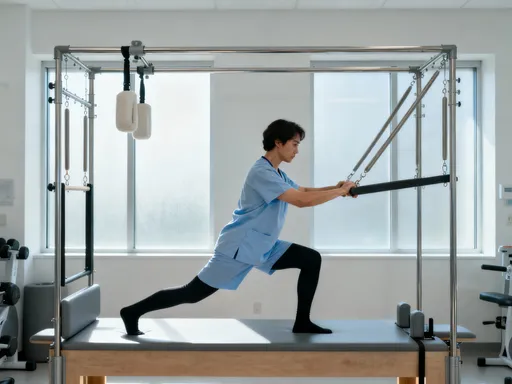
I started small. A 20-minute walk after dinner became non-negotiable. Within weeks, I noticed better sleep and improved digestion. Gradually, I added short resistance exercises—bodyweight squats, wall push-ups, and resistance bands. These build muscle mass, which supports metabolism and protects against age-related decline. I also began incorporating posture breaks throughout the day, especially when working at a desk. Standing up, stretching, and walking for a few minutes every hour reduces strain on the spine and improves circulation. These aren’t intense workouts, but they add up. Movement, I’ve learned, doesn’t have to be dramatic to be effective.
Thinking of exercise as medicine changed my relationship with it. Instead of viewing it as punishment for eating too much or a chore to "earn" food, I now see it as a daily dose of protection. Just as I wouldn’t skip a prescribed medication, I try not to skip my movement. On days when energy is low, I adjust—opting for gentle yoga or a slow walk—but I don’t skip entirely. Consistency matters more than intensity. Studies show that even light physical activity lowers mortality risk and improves quality of life in middle-aged and older adults.
My doctor reinforced this by calling it an "exercise prescription." She didn’t give me a strict regimen, but she did emphasize that movement is non-negotiable for long-term health. She explained that muscles are metabolic organs—they help regulate blood sugar, support joint health, and even influence mood through neurotransmitter release. When we’re sedentary, these systems slow down. Regular activity keeps them functioning optimally. This perspective helped me shift from seeing exercise as optional to seeing it as essential. It’s not about looking a certain way. It’s about feeling capable, strong, and resilient every day.
Vaccines and Boosters: Staying Ahead of Infections
Vaccination is one of the most effective forms of preventive care in modern medicine. While many associate vaccines with childhood, immunizations play a crucial role throughout adulthood. Diseases like influenza, pneumonia, shingles, and tetanus remain real threats, especially as immune function changes with age. Yet, vaccine uptake among adults remains lower than recommended. Misinformation, complacency, and the belief that "I’m healthy, so I don’t need it" contribute to this gap. My own view shifted over time—from seeing vaccines as only for children to recognizing them as a lifelong shield.
The flu shot was my first step. I used to skip it, thinking I’d never get seriously ill. Then I caught the flu during a busy season and was bedridden for over a week. The recovery took months. Since then, I’ve made the flu vaccine a yearly priority. It doesn’t guarantee I won’t get sick, but it reduces the severity and duration of illness. The CDC reports that flu vaccination reduces the risk of hospitalization and complications, especially in adults over 50. It also protects those around me, including older relatives and young children.
I later added the shingles vaccine, recommended for adults over 50. Shingles, caused by the reactivation of the chickenpox virus, can lead to severe nerve pain that lasts for months or even years. Hearing a friend describe her experience with postherpetic neuralgia was enough to convince me. The vaccine, given in two doses, reduces the risk of shingles by over 90% and lowers the chance of long-term pain. Similarly, the pneumococcal vaccine protects against bacterial pneumonia, a serious infection that can follow a cold or flu. These vaccines aren’t experimental—they’re rigorously tested and continuously monitored for safety.
Staying current on immunizations is not about fear-mongering. It’s about risk management. Just as I wear a seatbelt not because I expect a crash, but because it protects me if one happens, vaccines prepare my immune system for threats I can’t always avoid. They are a small, temporary inconvenience for long-term peace of mind. My doctor reviews my vaccination history at every check-up, ensuring I’m up to date. This simple step has become part of my health routine—quiet, effective, and backed by science.
Medication When It Helps—And When It Doesn’t
Preventive care doesn’t always mean avoiding medication. In some cases, drugs play a vital role in reducing disease risk. Statins, for example, are prescribed to lower cholesterol and reduce the likelihood of heart attacks and strokes. Antihypertensive medications help control high blood pressure, protecting the heart and kidneys. But medication is not a one-size-fits-all solution. The decision to start a preventive drug should be based on individual risk, supported by data, and made in partnership with a trusted physician.
When my cholesterol levels continued to rise despite lifestyle changes, my doctor discussed the possibility of a statin. I had concerns—about side effects, dependency, and the idea of taking a pill indefinitely. We reviewed my overall risk using tools like the ASCVD risk estimator, which calculates the 10-year chance of a cardiovascular event based on age, blood pressure, cholesterol, and other factors. Mine was elevated, but not critically so. We agreed to try three more months of dietary adjustments and increased exercise before reconsidering medication. That conversation was empowering. It wasn’t a directive—it was a discussion grounded in evidence and personal values.
This approach reflects a broader principle: prevention should enhance quality of life, not complicate it. Overmedication—taking drugs without clear benefit—can lead to unnecessary side effects and reduced adherence. The goal is not to medicate everyone, but to identify those who will benefit most. For some, a low-dose statin may prevent a future heart attack. For others, lifestyle changes alone are sufficient. The same applies to medications for osteoporosis, diabetes prevention, or hormonal health. Each decision should be personalized, informed, and revisited over time.
I’ve learned to ask questions: What does the research say? What are the risks versus benefits? Are there alternatives? My doctor welcomes these discussions. She sees me as an active participant in my care, not a passive recipient. This shared decision-making model is at the heart of ethical, patient-centered medicine. It ensures that preventive strategies are not only effective but also aligned with my goals and lifestyle. Medication, when used wisely, is a tool—not a crutch.
Building a Prevention Mindset: Small Steps, Big Shifts
Preventive care extends beyond labs, vaccines, and prescriptions. It’s also shaped by daily choices—what I eat, how I sleep, and how I manage stress. These habits don’t replace clinical care; they amplify it. A nutritious diet rich in vegetables, whole grains, lean proteins, and healthy fats supports cellular repair and reduces inflammation. Quality sleep—seven to eight hours per night—allows the body to regenerate and regulate hormones. Chronic stress, on the other hand, elevates cortisol, which can disrupt metabolism, weaken immunity, and increase blood pressure. Managing it through mindfulness, breathing exercises, or time in nature isn’t just soothing—it’s protective.
I’ve built a personal health rhythm that includes reminders for check-ups, medication refills, and self-exams. I track my blood pressure at home and log it in a simple notebook. I set calendar alerts for vaccine due dates and schedule my annual physical well in advance. These small systems reduce the chance of falling through the cracks. I also prioritize open communication with my doctor. If I notice a change—persistent fatigue, unusual aches, shifts in mood—I bring it up, even if it seems minor. Early conversations can prevent bigger problems.
What I’ve come to value most is the sense of partnership between myself and my healthcare providers. Wellness isn’t something I achieve alone and then maintain. It’s an ongoing collaboration. I bring my observations, questions, and goals. My doctor brings expertise, data, and guidance. Together, we make decisions that reflect both science and personal values. This model shifts health from a backup plan—something you turn to when sick—to a continuous practice, woven into everyday life.
Developing a prevention mindset doesn’t require perfection. It’s about consistency, awareness, and intention. It’s choosing a piece of fruit over a sugary snack, taking the stairs, or scheduling that appointment even when you feel fine. These actions may seem small, but over time, they create a powerful cumulative effect. They represent a commitment to myself—a promise to live not just longer, but better.
Prevention isn’t about fear—it’s about freedom. By leaning into Western medicine before problems arise, I’ve gained more energy, clarity, and control. These steps aren’t guarantees, but they’re proven ways to tilt the odds in your favor. It’s not dramatic, but it works. And if you take one thing from this: your next check-up might be the most important one you never knew you needed. Always consult your physician—this is support, not a substitute.