How I Found Calm Through Tiny TCM Shifts
Stress used to run my life—until I discovered small, everyday TCM-inspired habits that actually worked. I didn’t change everything overnight; I started with just a few simple adjustments. These aren’t magic fixes, but real, doable practices rooted in balance and awareness. Over time, I felt calmer, slept better, and handled pressure differently. This isn’t about curing anything—it’s about tuning in. Here’s how traditional wisdom quietly transformed my modern life.
The Hidden Cost of Chronic Stress
Modern life keeps many people in a constant state of alertness, where the body’s stress response is always engaged. This ongoing activation may seem normal, but its long-term effects are far from harmless. Chronic stress doesn’t just affect mood—it disrupts digestion, weakens the immune system, and impairs mental clarity. For years, these symptoms were dismissed as inevitable parts of busy lifestyles. Yet in traditional Chinese medicine (TCM), such patterns are seen as signs of deeper imbalance, specifically Qi stagnation. Qi, often described as the body’s vital energy, flows through channels to support organ function and emotional well-being. When this flow becomes blocked due to prolonged tension, it doesn’t just cause fatigue—it creates a ripple effect across physical and emotional health.
Unlike Western medicine, which often treats symptoms individually, TCM focuses on identifying the root cause of disharmony. For example, digestive discomfort may not be seen as a gastrointestinal issue alone, but as a sign of stressed Liver energy interfering with Spleen function. This broader perspective shifts the focus from quick fixes to sustainable balance. Many women in their 30s to 50s, juggling family, work, and personal well-being, unknowingly carry this kind of internal strain. The body may adapt for a time, but eventually, signs appear—difficulty sleeping, irritability, bloating, or recurring colds. Recognizing these as signals rather than inconveniences is the first step toward meaningful change.
One of the most powerful insights from TCM is that emotional and physical health are deeply connected. The way we manage daily pressures directly influences how our organs function and how energy circulates. This understanding invites a more compassionate approach to self-care—one that doesn’t demand drastic overhauls, but encourages gentle awareness. By acknowledging that chronic stress is not just in the mind, but embedded in the body’s systems, it becomes possible to address it with practices that restore flow rather than suppress symptoms. This shift in mindset is essential for long-term well-being.
Why TCM Sees Stress Differently
Western approaches often separate mental health from physical health, treating anxiety or burnout as conditions of the brain. In contrast, TCM views emotions as integral to organ function. Each major organ system is associated with a specific emotional state: the Liver governs anger and frustration, the Heart relates to joy and anxiety, the Spleen is tied to overthinking and worry, the Lungs to grief, and the Kidneys to fear. When emotions are prolonged or suppressed, they can disrupt the corresponding organ’s energy, leading to both emotional and physical symptoms. This model doesn’t pathologize feelings but recognizes them as natural energies that must move freely to maintain balance.
For instance, a woman who constantly pushes through deadlines while ignoring her need for rest may develop tight shoulders and headaches. In TCM, this could indicate Liver Qi stagnation—energy that’s not flowing smoothly due to emotional strain. Another woman who frequently worries about her family’s well-being might experience bloating, fatigue, or irregular appetite, pointing to Spleen imbalance caused by excessive mental activity. These connections explain why stress doesn’t manifest the same way in everyone. Some feel it emotionally as irritability, others physically as digestive discomfort or insomnia. TCM’s strength lies in its ability to personalize care based on how the body expresses imbalance.
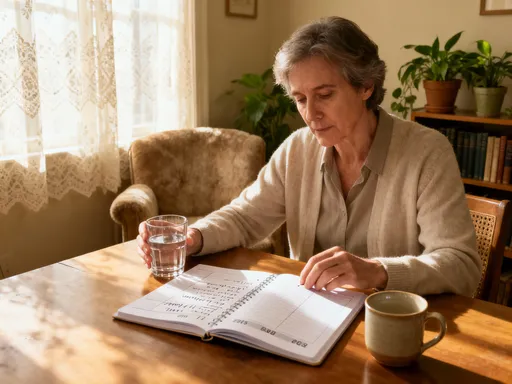
This holistic framework encourages individuals to observe their own patterns without judgment. Instead of reaching for quick solutions like caffeine or over-the-counter remedies, TCM invites a deeper inquiry: Where is energy stuck? What emotions are being held? How is the body responding? This awareness fosters a sense of agency—knowing that small, consistent actions can help restore movement and ease. It’s not about eliminating stress, which is a natural part of life, but about cultivating resilience through alignment with the body’s natural rhythms. This perspective is especially valuable for women navigating the complex demands of midlife, where hormonal shifts and changing roles can amplify stress.
Breath as a Daily Reset Button
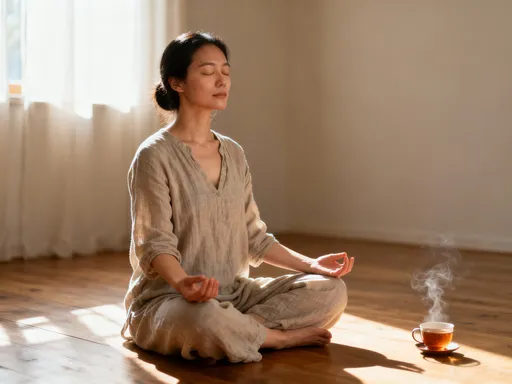
One of the most accessible tools for restoring balance is the breath. In TCM, proper breathing is essential for smooth Qi circulation, particularly for the Liver, which thrives on free-flowing energy. Diaphragmatic breathing—deep, slow breaths that expand the lower abdomen—activates the parasympathetic nervous system, signaling the body to relax. I began incorporating this practice into my mornings, sitting quietly for just five minutes with one hand on my belly, inhaling slowly through the nose, and exhaling fully. At first, it felt unnatural, but within days, I noticed a shift: less morning grogginess, fewer reactive moments during work calls, and a greater sense of presence.
This practice aligns with TCM’s emphasis on the Lower Dantian, an energy center located below the navel, considered the reservoir of Qi. By directing breath into this area, we nourish the body’s core energy and calm the mind. Unlike intense meditation or breathwork that can feel overwhelming, this simple technique is sustainable and adaptable. It doesn’t require special training or equipment—just a few minutes of focused attention. I found that even during chaotic moments, pausing to take three deep belly breaths could reset my nervous system and prevent emotional escalation. Over time, this became an automatic response, a quiet anchor in the storm of daily responsibilities.
Research in modern physiology supports what TCM has long understood: slow, deep breathing reduces cortisol levels, lowers heart rate, and improves oxygenation. But beyond the science, there’s a subtle emotional benefit—this practice creates space between stimulus and response. Instead of reacting instantly to a child’s tantrum or a work email, I learned to pause, breathe, and choose a calmer reaction. This small shift had a ripple effect on my relationships and self-confidence. For women who often feel they must be “on” at all times, breath becomes a private act of reclamation—a way to return to oneself amidst the noise.
Gentle Movement That Keeps Energy Flowing
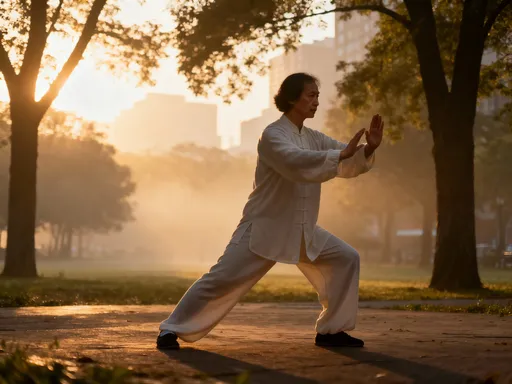
Exercise is often associated with intensity—sweat, effort, and measurable results. But TCM offers a different view: movement should support, not deplete, the body’s energy. Practices like Tai Chi and Qigong, which involve slow, flowing motions coordinated with breath, are designed to unblock stagnant Qi and strengthen organ systems without strain. I was skeptical at first, having always believed that only vigorous workouts “counted.” But after a few sessions of gentle Qigong, I noticed a surprising difference: my chest felt less tight, my mind quieter, and my sleep deeper. Unlike high-intensity workouts that sometimes left me drained, these practices left me refreshed.
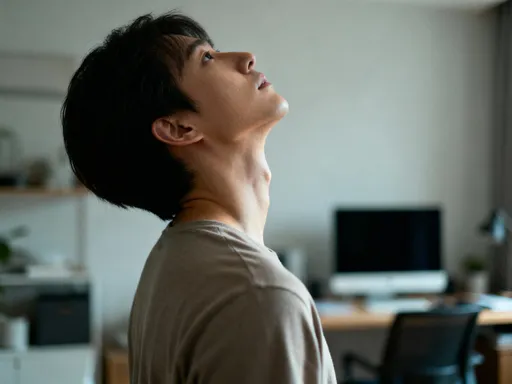
Tai Chi, often described as “meditation in motion,” combines balance, coordination, and mindfulness. Each movement is intentional, promoting circulation and joint health while calming the nervous system. I started with just ten minutes a day, following online videos designed for beginners. The key was consistency, not duration. Over weeks, my posture improved, and I became more aware of tension I hadn’t noticed before—clenched shoulders, shallow breathing, a habit of holding my breath during tasks. These subtle realizations led to small corrections throughout the day, reinforcing the benefits of the practice.
Even walking, when done mindfully, can become a form of moving meditation. TCM emphasizes the importance of upright posture and rhythmic breathing during movement to support Qi flow. I began taking short walks after meals, focusing on grounding each step and syncing my breath with my pace. This simple habit not only aided digestion but also provided mental clarity. For women managing households and careers, such low-impact practices are sustainable and deeply nourishing. They don’t require gym memberships or special clothing—just the willingness to move with awareness. Over time, I came to see movement not as a chore, but as a daily act of care.
Nourishing the Body with Warmth
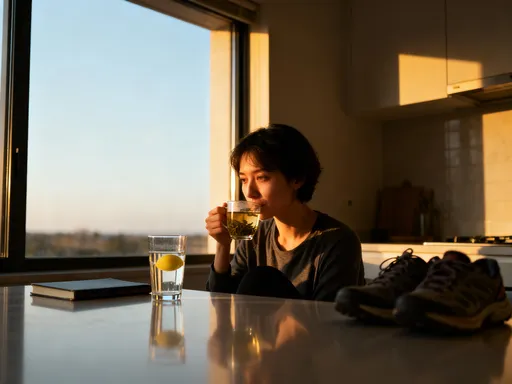
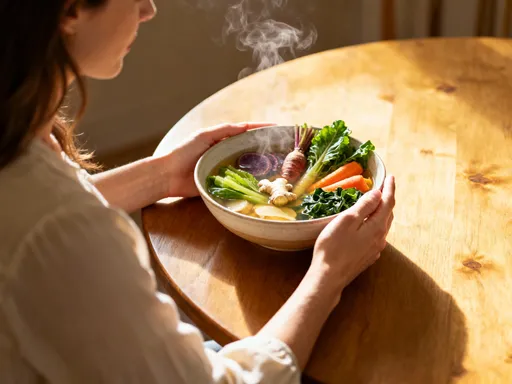
Diet plays a central role in TCM, not as a tool for weight loss, but as a form of daily nourishment. One of the most impactful changes I made was shifting from cold foods and drinks to warm, cooked meals. In TCM, raw and chilled foods are believed to slow the digestive fire, known as the Spleen Qi, leading to fatigue, bloating, and mental fog. I used to start my day with iced coffee and a smoothie, thinking it was healthy. But I often felt sluggish by mid-morning. When I switched to warm oatmeal with cinnamon and a small piece of ginger, I noticed a difference within days—more stable energy and improved digestion.
Warm meals like soups, stews, and congee (a rice porridge) are staples in TCM nutrition because they are easy to digest and provide steady nourishment. I began preparing simple one-pot meals with root vegetables, lean proteins, and warming herbs like ginger, turmeric, and fennel. These ingredients aren’t just flavorful—they serve a purpose. Ginger, for example, is valued for its ability to warm the body, dispel cold, and support circulation. Cinnamon helps anchor energy and calm the mind. Over time, my cravings shifted. I no longer reached for sugary snacks or extra coffee to stay alert. Instead, I craved warm, hearty foods that left me feeling satisfied and grounded.
This approach isn’t about rigid rules or deprivation. It’s about making choices that honor the body’s need for warmth and ease, especially during colder months or times of stress. For women in their 30s to 50s, who may experience changes in metabolism and energy levels, eating in a way that supports digestion and vitality is crucial. Small adjustments—like drinking warm water throughout the day, avoiding ice in beverages, and cooking meals at home—can have a cumulative effect. The result is not just better digestion, but a deeper sense of physical and emotional stability.
Daily Rhythms That Support Balance
TCM places great importance on living in harmony with natural cycles. The body has its own internal clock, with different organ systems most active at specific times of day. For example, the Liver’s cleansing and repair phase peaks between 1 a.m. and 3 a.m., but it begins preparing for this work after 11 p.m. I used to stay up late, finishing chores or scrolling through my phone, unaware that I was disrupting this vital process. When I committed to being in bed by 11 p.m., I noticed a gradual improvement in my sleep quality and morning energy. It wasn’t about strict bedtime rules, but about aligning with the body’s natural rhythm.
Another shift was meal timing. TCM suggests eating the largest meal at lunch, when digestive energy is strongest, and having a lighter dinner to support restful sleep. I used to eat a big dinner after the kids were in bed, often feeling heavy and restless afterward. By moving my main meal to midday and having a simple, warm evening meal, I slept more soundly and woke without grogginess. This change also helped regulate my appetite—no more late-night snacking or morning cravings. Structure, I learned, didn’t feel restrictive; it created freedom by reducing decision fatigue and supporting my body’s needs.
Even daily routines like waking, working, and resting benefit from consistency. The body thrives on predictability, which helps regulate hormones, digestion, and mood. For women managing multiple roles, establishing a rhythm can feel challenging, but small steps make a difference. Starting the day with a few minutes of breathing, eating meals at regular times, and winding down with a warm drink before bed—these habits create a scaffold for well-being. Over time, I found that living in rhythm didn’t require perfection, but presence. It was about honoring my body’s signals and responding with care.
When to Seek Personalized Guidance
While self-care practices are powerful, TCM is inherently individualized. What works for one person may not suit another, depending on constitution, lifestyle, and specific imbalances. After several months of incorporating these habits, I decided to consult a licensed TCM practitioner. Through pulse and tongue diagnosis, she identified that I had a tendency toward Liver Qi stagnation with mild Spleen deficiency—insights that helped refine my approach. She recommended specific dietary adjustments, a simple herbal formula, and weekly acupuncture sessions. These weren’t meant to replace conventional care, but to complement it in a way that addressed my unique pattern.
Acupuncture, in particular, deepened my sense of calm. The sessions provided a dedicated time to rest and reset, and I noticed improvements in sleep, digestion, and emotional resilience. The herbal support, taken under professional guidance, helped strengthen my digestion and smooth my energy flow. Importantly, I learned that TCM is not a substitute for medical treatment, especially for diagnosed conditions. It is a complementary system that supports the body’s ability to heal and maintain balance. Always working with qualified, licensed practitioners ensures safety and effectiveness.
For women considering this path, the key is to start with curiosity, not pressure. Explore one habit at a time, observe how your body responds, and seek professional input when needed. TCM is not about quick fixes or dramatic transformations, but about cultivating awareness and making gentle, informed choices. It’s a journey of listening—to the body, the seasons, and the quiet wisdom within.
Small Shifts, Lasting Calm
Stress is a part of life, but it doesn’t have to dominate it. The practices I’ve shared—diaphragmatic breathing, gentle movement, warm nourishing foods, and aligned daily rhythms—are not about achieving perfection. They are about creating moments of awareness, where we can pause, listen, and respond with kindness. Over time, these small shifts add up, not as a dramatic overhaul, but as a quiet transformation. Calm becomes less something to chase and more something to return to, like a familiar room in the house of the self.
TCM teaches that health is not the absence of challenges, but the ability to move through them with resilience. By integrating these time-honored principles into modern life, I’ve learned to live with greater balance, clarity, and presence. This isn’t about rejecting modern medicine or lifestyle, but about enriching them with wisdom that has supported well-being for centuries. For women navigating the complexities of family, work, and self-care, these practices offer a gentle, sustainable path forward. It begins with one breath, one warm meal, one mindful step. And from there, calm grows, quietly and steadily, one small choice at a time.